
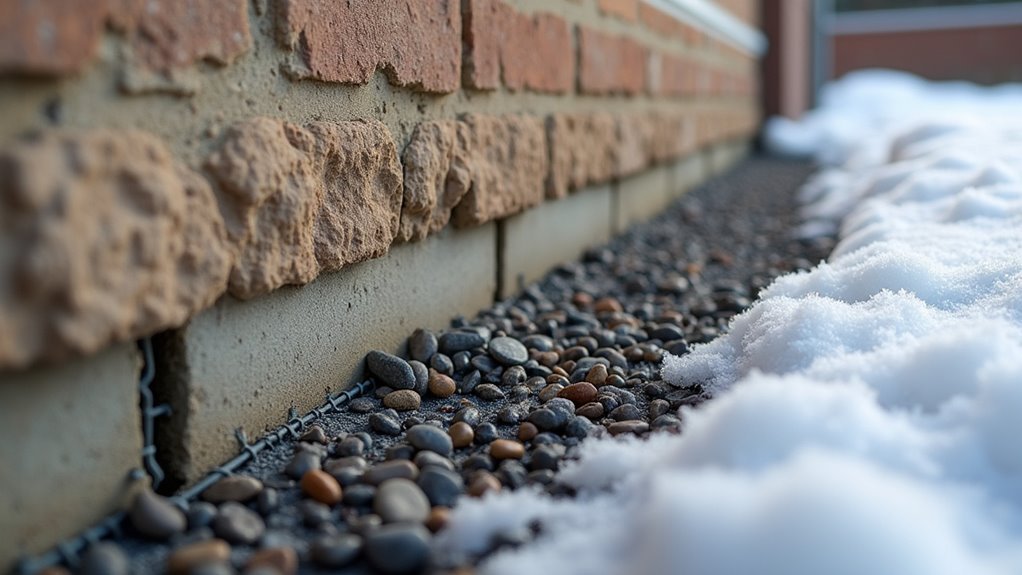
To winter-proof your foundation against mice, start by inspecting for cracks and gaps as small as a dime around utility penetrations and window frames. Seal openings with steel wool and caulk, replace damaged mortar and weather stripping, then install door sweeps and foundation screens. Eliminate moisture sources by fixing leaks and improving drainage, remove outdoor clutter near foundation walls, and store materials in metal or glass containers positioned away from your home’s perimeter to discover thorough protection strategies.
Inspect and Identify Foundation Entry Points
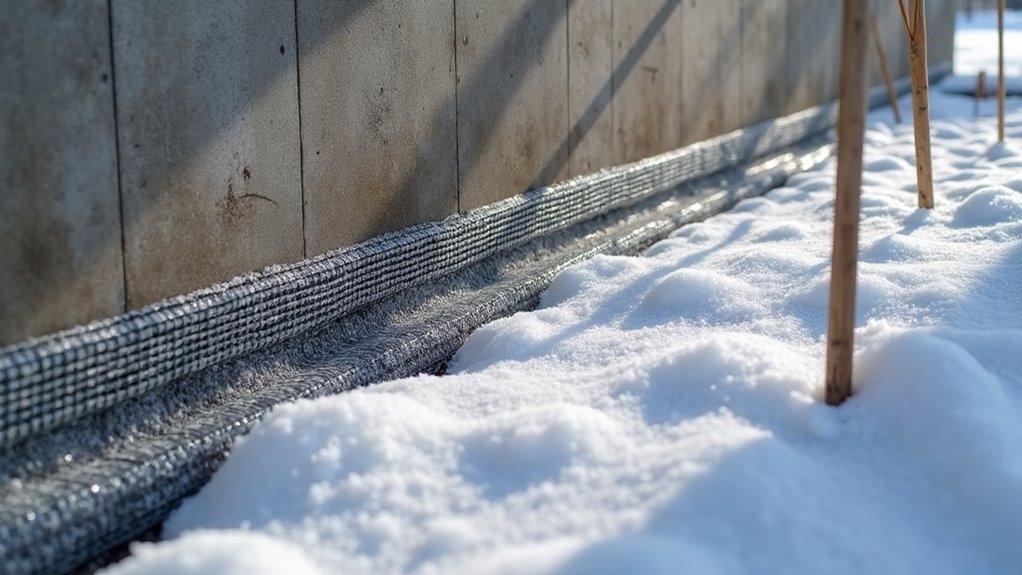
The first step in winter-proofing your foundation involves conducting a thorough inspection to locate potential entry points that mice might exploit.
A comprehensive foundation inspection is your first line of defense against unwanted rodent intrusions this winter season.
You’ll need to examine your foundation carefully for cracks and holes, remembering that mice can squeeze through gaps as small as a dime. Focus on areas where utilities and pipes penetrate the foundation, as these commonly create entry points.
Don’t forget to inspect around window and door frames for potential gaps. Look for loose or crumbling mortar that creates openings mice can use.
Use a flashlight to examine dark corners and spaces behind appliances, checking basements, crawl spaces, and areas around dryer vents where hidden cracks might provide access to your home.
Seal Cracks and Holes With Steel Wool and Caulk
Once you’ve spotted the cracks and holes where mice can enter, you’ll need to seal them properly using the right materials and techniques.
Start by stuffing coarse-grade steel wool firmly into each opening, as its rough texture prevents mice from chewing through.
Follow up with a generous layer of high-quality caulk over the steel wool to create a permanent, weatherproof barrier.
Identify Entry Point Locations
Where exactly are mice finding their way into your home during winter months? Start by examining your foundation thoroughly, as mice can squeeze through holes or cracks as small as a dime.
Check around windows, doors, and wherever utilities like pipes or cables enter your home. These common entry points often develop gaps that provide easy access for rodents seeking warmth.
Don’t overlook exterior walls where settling may have created new openings over time. Pay special attention to areas where different building materials meet, as these junctions frequently develop small separations.
Once you’ve identified potential entry points, you’ll need to seal each gap appropriately. Remember that mice are persistent, so even the tiniest opening requires your attention to effectively block their winter invasion route.
Steel Wool Application Method
After identifying entry points, steel wool becomes your most reliable defense against determined mice trying to access your home’s warmth.
Pack steel wool tightly into cracks and holes, especially around pipes and wires entering your foundation. The coarse texture deters mice from gnawing through, making it an effective barrier.
For gaps larger than a quarter, apply expanding foam sealant first, then insert steel wool. This combination creates a thorough seal that’ll prevent even the smallest rodents from squeezing through.
Once you’ve positioned the steel wool securely, seal the edges with caulk for added protection.
Remember to inspect your work regularly throughout winter, as weathering can compromise the steel wool’s effectiveness over time.
Caulk Sealing Best Practices
While steel wool provides excellent initial protection, proper caulking techniques will determine whether your rodent barriers withstand winter’s harsh conditions.
Apply caulk directly over steel wool or into small cracks to create tight seals that block drafts and prevent mice from finding entry points into your foundation.
Focus your attention on gaps around wires, pipes, and foundation cracks. Remember that any opening larger than a dime can allow mice access to your home. Use high-quality exterior caulk that won’t crack under temperature fluctuations.
For larger voids, expanding foam sealant works effectively and remains paintable once dried.
Regularly inspect your caulking throughout winter, as weather changes cause materials to degrade. Touch up any compromised areas immediately to maintain your foundation’s protective seal against rodent intrusion.
Replace Damaged Mortar and Weather Stripping
Because mice can squeeze through openings as small as a dime, you’ll need to inspect your foundation thoroughly for loose or crumbling mortar that creates potential entry points.
Replace damaged mortar promptly to maintain a solid barrier against rodent intrusion. Weather stripping around windows and doors requires regular attention to prevent mouse access.
Effective pest control maintenance includes:
- Checking foundation mortar for cracks, gaps, or crumbling sections monthly
- Replacing worn weather stripping around all windows and doors immediately
- Sealing any openings you discover to prevent rapid rodent reproduction
- Using quality materials that withstand weather conditions and time
- Scheduling routine inspections to catch problems before infestations develop
This foundation maintenance not only blocks unwanted guests but also improves energy efficiency by eliminating drafts, creating a more comfortable indoor environment throughout winter.
Install Door Sweeps and Foundation Screens
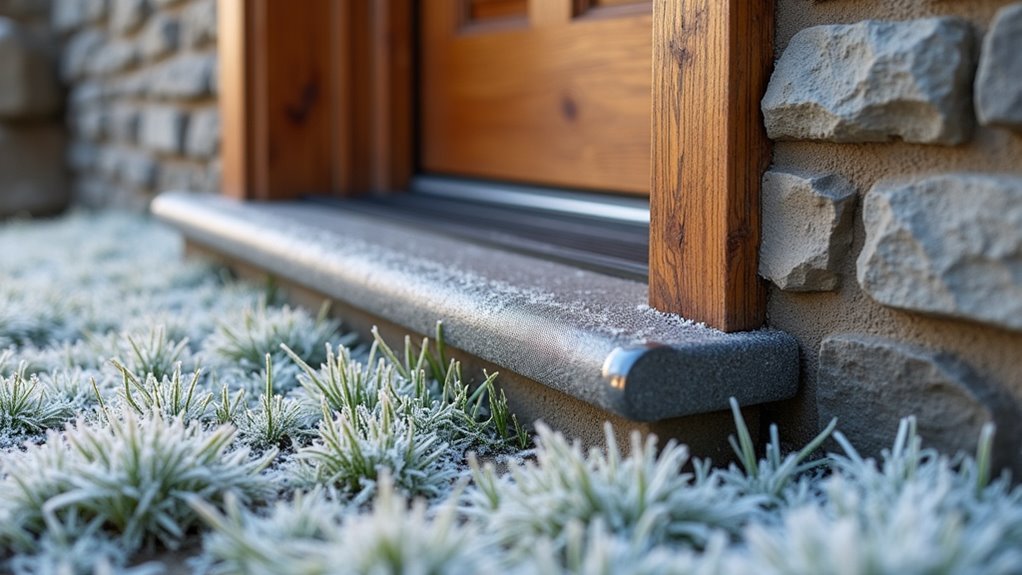
Door sweeps create an immediate barrier at one of the most common mouse entry points in your home. These simple devices seal the gap between your door’s bottom and the floor, effectively blocking mice from squeezing through.
Install sweeps on all exterior doors, ensuring they make complete contact with the threshold.
Foundation screens are equally important for preventing rodent access to basements and crawl spaces. Use galvanized metal screens with mesh sizes no larger than 1/4 inch to cover vents and openings.
These screens maintain proper ventilation while keeping mice out and preventing moisture buildup that attracts pests.
Regular maintenance is essential. Inspect door sweeps and foundation screens frequently for wear, damage, or debris.
Replace worn components immediately to prevent gaps that could lead to a rodent infestation during winter months.
Eliminate Moisture Sources Around the Foundation
Since moisture creates an ideal environment for winter pests, you’ll need to address water sources around your foundation before cold weather arrives.
Damp conditions attract mice, cockroaches, and other unwanted visitors seeking shelter during colder months.
Take these essential steps to eliminate moisture problems:
- Inspect and repair leaking pipes or clogged drains near your foundation, as water accumulation draws pests seeking moisture.
- Check plumbing fixtures regularly for drips and leaks, especially in kitchens and bathrooms.
- Install dehumidifiers in basements and crawl spaces to reduce humidity levels that create inviting rodent environments.
- Verify proper grading directs water away from your foundation, preventing standing water.
- Clean gutters and downspouts regularly to prevent overflow and moisture buildup that serves as pest breeding grounds.
Remove Outdoor Clutter and Debris Near Foundation Walls
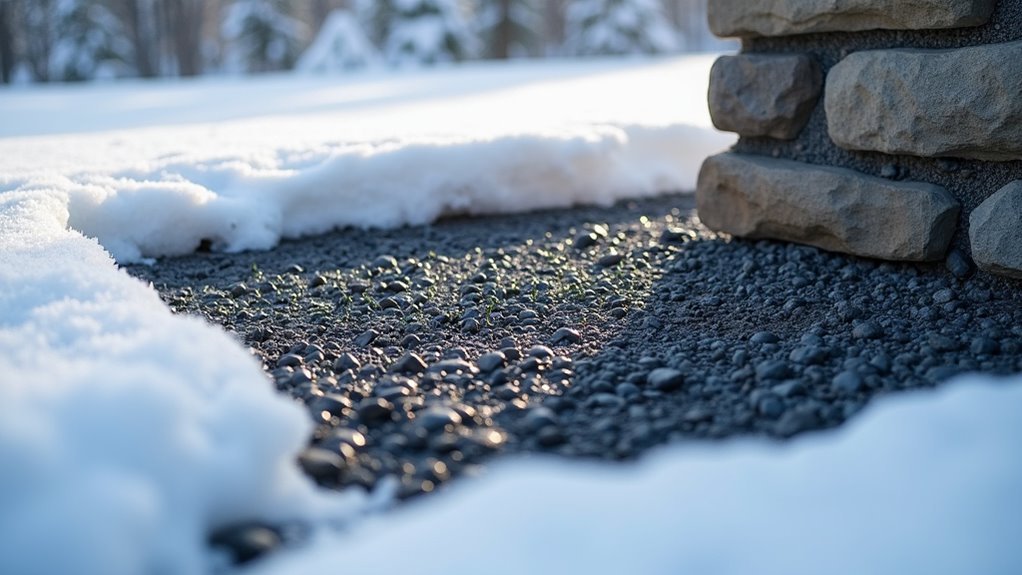
Why do mice and other winter pests find your property so appealing? The answer often lies in the clutter and debris surrounding your foundation.
When you remove outdoor clutter like brush, weeds, and organic debris from around your foundation, you eliminate natural shelter that attracts rodents. Stack firewood at least 20 feet away from your house to prevent it from becoming a nesting site.
Trim bushes and shrubs that grow too close to foundation walls, as dense foliage harbors mice. Clear away leaf piles and other debris, especially during autumn months when pests seek winter shelter.
Regular outdoor maintenance, including disposing of accumulated clutter, markedly reduces your risk of rodent infestations and plays an essential role in keeping mice away from your home’s foundation.
Store Materials in Mouse-Proof Containers Away From Foundation Areas
You’ll need to choose the right containers and position them strategically to keep mice away from your foundation during winter months.
Select plastic, metal, or glass storage solutions instead of cardboard, which mice can easily chew through to access food and nesting materials.
Place these containers at least 20 feet from your home’s foundation and elevate them off the ground to minimize rodent access.
Container Material Selection
Three critical factors determine whether your storage containers will successfully keep mice away from your foundation: material durability, secure closure mechanisms, and strategic placement.
Proper container material selection creates an effective barrier that reduces nearby rodent population activity.
When you store food and pet supplies, choose materials that resist gnawing and provide long-term protection:
- Metal containers – Galvanized steel or aluminum options offer maximum durability against rodent damage
- Glass jars – Heavy-duty glass provides excellent visibility and complete moisture protection
- Thick plastic bins – High-density polyethylene containers with reinforced walls prevent chewing
- Airtight containers – Vacuum-sealed designs eliminate scent trails that attract mice
- Heavy-duty lids – Secure, tight-fitting closures prevent access even during attempted breaches
Avoid cardboard, thin plastic, or paper storage that mice easily penetrate.
Strategic Storage Placement
Where you position your storage containers matters just as much as what you store them in.
Strategic storage placement involves keeping your rodent-proof containers elevated off the ground and positioned 20 feet away from your home’s foundation. This distance creates a protective buffer that discourages mice from establishing pathways to your house. Elevation prevents rodents from easily accessing containers while reducing moisture exposure that could compromise storage integrity.
Regularly inspect these storage areas for signs of mouse activity like droppings, gnaw marks, or disturbed containers. Address any issues immediately to maintain your mouse-free environment.
When storing fabric items such as linens or seasonal clothing, use vacuum-sealed bags or hard containers rather than cardboard boxes, which mice can easily penetrate for nesting materials.
Frequently Asked Questions
What to Put Around Foundation to Keep Mice Away?
You’ll want to seal foundation cracks with steel wool and caulk, install metal screens over vents, remove debris and vegetation, and keep firewood at least twenty feet away from your home’s foundation.
How Do You Humanely Get Rid of Mice in the Winter?
Use humane catch-and-release traps, checking them frequently to minimize stress. Seal entry points with steel wool, store food in airtight containers, and apply peppermint oil deterrents. Release captured mice over one mile away.
Does Pouring Vinegar Around the Outside of Your House Keep Mice Away?
Pouring vinegar around your house might temporarily deter mice due to its strong smell, but it’s not a reliable long-term solution. You’ll need physical barriers and proper sanitation for effective mouse prevention.
How Do You Winterize Against Mice?
You’ll need to seal foundation cracks with steel wool and caulk, replace damaged weather stripping, store firewood twenty feet away, and eliminate clutter around your home’s exterior perimeter.
In Summary
You’ve taken essential steps to secure your foundation against winter mouse invasions. By inspecting entry points, sealing gaps, and maintaining proper drainage, you’re creating an effective barrier. Don’t forget to keep areas around your foundation clean and store materials in secure containers. These proactive measures will greatly reduce your chances of dealing with unwanted rodents during cold months. Stay vigilant and recheck your defenses periodically throughout winter.