
You’re probably aware that mice are the hidden drivers of tick infestations, and the right tick tubes can cut that cycle dramatically. In 2026, a handful of products stand out for safety, efficacy, and ease of use—ranging from EPA‑approved, biodegradable tubes that protect a quarter‑acre to portable removers that work on both humans and pets. Each option tackles a different part of the problem, but the real question is which combination will give you the most reliable, low‑maintenance protection for your yard.
| Thermacell Tick Control Tubes – 12 Pack Safe for Kids & Pets |  | Best Overall | Target Pest: Mice‑carried ticks (deer tick) | Application Setting: Outdoor yards, gardens, woodlands | Safety for Children & Pets: Safe for kids & pets | CHECK ON AMAZON | Read Our Analysis |
| Thermacell Tick Control Tubes for 1/4 Acre Yard | 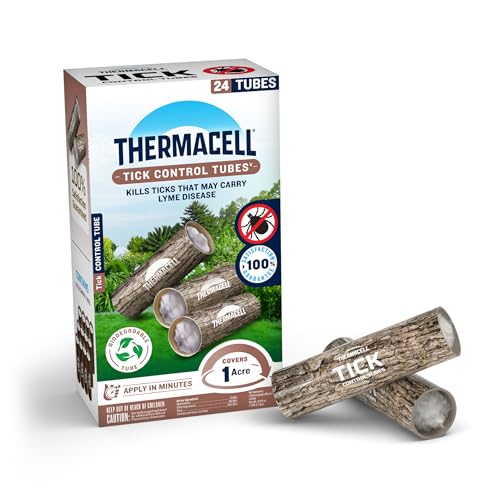 | Best Value | Target Pest: Mice‑carried ticks (deer tick) | Application Setting: Outdoor yards, gardens, woodlands | Safety for Children & Pets: Safe for kids & pets | CHECK ON AMAZON | Read Our Analysis |
| Tick Trap Sticky Glue Insect Trap (Pack of 3) |  | Budget-Friendly Pick | Target Pest: Crawling insects (ticks, fleas, etc.) | Application Setting: Indoor or outdoor pest hotspots | Safety for Children & Pets: Non‑toxic, no pesticides | CHECK ON AMAZON | Read Our Analysis |
| TickCheck Tick Remover Kit (3 Pack) for Humans Pets |  | Editor’s Choice | Target Pest: Ticks (removal from humans & pets) | Application Setting: On‑body (humans, dogs, cats) | Safety for Children & Pets: Safe removal, no chemicals | CHECK ON AMAZON | Read Our Analysis |
| Coghlan’s Portable Tick Remover for Humans & Pets |  | Outdoor Essential | Target Pest: Ticks (removal from humans & pets) | Application Setting: On‑body (humans, pets) | Safety for Children & Pets: Safe removal, no chemicals | CHECK ON AMAZON | Read Our Analysis |
More Details on Our Top Picks
Thermacell Tick Control Tubes – 12 Pack Safe for Kids & Pets
Looking for a hassle‑free, kid‑ and pet‑safe way to curb ticks in your yard? Thermacell’s 12‑tube pack lets you protect a quarter‑acre without spraying. You simply place each tube a yard away from your lawn, flower beds, bushes, or fence lines, and the biodegradable cotton draws in mice, delivering a tick‑killing agent that targets Lyme‑carrying deer ticks. The EPA‑approved formula works year‑round, especially in New England, the Mid‑Atlantic, and the Northern Woods. No chemicals drift onto pets or kids, and you can toss the tubes and cotton after use. Hands‑off, environmentally friendly, and easy to set up.
- Target Pest:Mice‑carried ticks (deer tick)
- Application Setting:Outdoor yards, gardens, woodlands
- Safety for Children & Pets:Safe for kids & pets
- Environmental Impact:Biodegradable tubes, EPA‑evaluated
- Quantity per Package:12 tubes
- Usage Frequency / Duration:Twice yearly (spring & fall)
- Additional Feature:No spray format
- Additional Feature:Biodegradable cotton core
- Additional Feature:EPA‑evaluated safety
Thermacell Tick Control Tubes for 1/4 Acre Yard
If you’re hunting a low‑maintenance, mess‑free solution for a quarter‑acre yard, Thermacell’s Tick Control Tubes deliver exactly that. You place the 24 tubes around rock walls, wood piles, brush, sheds, gardens, or any spot mice frequent, spacing them no more than 10 yards apart. The tubes release a vapor that kills deer ticks, reducing Lyme disease, babesiosis, and anaplasmosis risk for pets and family. Apply twice a year—spring and summer—for peak protection, especially in New England, Mid‑Atlantic, and Northern Woods. The product is environmentally friendly, contains no spray or granules, and comes with a one‑year satisfaction guarantee.
- Target Pest:Mice‑carried ticks (deer tick)
- Application Setting:Outdoor yards, gardens, woodlands
- Safety for Children & Pets:Safe for kids & pets
- Environmental Impact:Biodegradable tubes, eco‑friendly
- Quantity per Package:24 tubes
- Usage Frequency / Duration:Twice yearly (spring & summer)
- Additional Feature:1‑year satisfaction guarantee
- Additional Feature:24‑tube package
- Additional Feature:Harvard‑developed formula
Tick Trap Sticky Glue Insect Trap (Pack of 3)
Who needs a hassle‑free way to trap ticks and other crawling pests without chemicals? You’ll love the Tick Trap Sticky Glue Insect Trap, a pack of three made‑in‑USA boxes that lure young ticks and a wide range of insects with a food‑based attractant. The non‑toxic sticky glue holds pests inside, so you avoid pesticides and messy clean‑ups. Assembly takes seconds, and you can place the traps indoors or outdoors wherever crawling bugs appear. After use, simply discard the mess‑free traps. This solution targets ticks, fleas, bed bugs, spiders, cockroaches, ants, crickets, centipedes, millipedes, mites, beetles, earwigs, and silverfish—all without chemicals.
- Target Pest:Crawling insects (ticks, fleas, etc.)
- Application Setting:Indoor or outdoor pest hotspots
- Safety for Children & Pets:Non‑toxic, no pesticides
- Environmental Impact:Non‑toxic, mess‑free disposal
- Quantity per Package:3 glue traps
- Usage Frequency / Duration:Continuous until filled/used
- Additional Feature:Patent‑pending attractant
- Additional Feature:Food‑based lure
- Additional Feature:Made in USA
TickCheck Tick Remover Kit (3 Pack) for Humans Pets
The TickCheck 3-Pack stands out for anyone who needs a quick, reliable way to yank ticks off humans, dogs, or cats without wrestling with tweezers; its three-size hook set lets you match the tick’s size, while the included ID card and resealable pouch keep everything organized and ready for the next encounter. You’ll appreciate the pocket‑sized, durable design that weighs just a gram, making it easy to stash in a first‑aid kit or backpack. The hooks work better than tweezers on thick fur, and the university‑recommended instructions guide you to pull straight out, avoiding twisting. The free ID card helps you identify species, and the resealable pouch protects the tools for future use. With a 4.6‑star rating from over 6,500 reviewers, this kit offers affordable, reliable protection for you and your pets.
- Target Pest:Ticks (removal from humans & pets)
- Application Setting:On‑body (humans, dogs, cats)
- Safety for Children & Pets:Safe removal, no chemicals
- Environmental Impact:Minimal waste (plastic hook, pouch)
- Quantity per Package:3 remover hooks + accessories
- Usage Frequency / Duration:As needed for tick removal
- Additional Feature:Free tick ID card
- Additional Feature:Resealable storage pouch
- Additional Feature:Pocket‑sized hook set
Coghlan’s Portable Tick Remover for Humans & Pets
Outdoor enthusiasts who need a quick, safe way to remove ticks from themselves or pets will appreciate Coghlan’s Portable Tick Remover. You’ll find it lightweight—just 0.03 pounds—and made of rubber, so it fits in any pocket or pack. The hand‑powered, contactless design lets you twist the tick out without crushing it, keeping the creature intact and reducing disease risk. It works on both humans and pets, so you can stay on the trail with confidence. One piece per unit, black in color, and backed by a manufacturer warranty, it’s a reliable, low‑cost tool for hikers, campers, and everyday outdoor lovers.
- Target Pest:Ticks (removal from humans & pets)
- Application Setting:On‑body (humans, pets)
- Safety for Children & Pets:Safe removal, no chemicals
- Environmental Impact:Minimal waste (single rubber tool)
- Quantity per Package:1 remover tool
- Usage Frequency / Duration:As needed for tick removal
- Additional Feature:Contactless removal design
- Additional Feature:Rubber material construction
- Additional Feature:Lightweight 0.03 lb weight
Factors to Consider When Choosing Tick Tubes for Targeting Mice-Carried Ticks
When you pick a tick tube, think about its size and where you’ll place it to match mouse pathways. Check if it’s biodegradable, EPA‑approved, and how well it attracts mice. Finally, consider the best season to apply it for maximum effectiveness.
Size and Placement
Where should you place tick tubes for maximum impact? Position them within a yard of the edge of a mown lawn, flower garden, bush line, or fence—places where mice travel and drop off ticks. Aim for spots like rock walls, wood piles, brush, sheds, and garden edges, because mice often nest there. Space each tube no more than ten yards apart to keep coverage consistent across the targeted zone. One treatment kit typically blankets about a quarter‑acre, so you’ll need multiple tubes for larger properties. Deploy the tubes twice a year, in spring and summer, to interrupt the tick life cycle when mice are most active. This strategic sizing and placement maximizes your chance of reducing deer‑tick populations.
Biodegradable Materials
Ever wondered if the tubes you’re placing can vanish after they’ve done their job? Biodegradable tick tubes let you do just that. Their casings and cotton packing break down naturally, so you don’t leave permanent litter in your yard. Look for tubes whose materials decompose within months, not years, and that use non‑toxic binders approved by EPA safety assessments. Even when the tube dissolves, the treated cotton stays effective against mice‑carried ticks, then it fades away harmlessly. Follow local disposal guidelines to keep any residual fragments from polluting waterways. Choosing a biodegradable option reduces your environmental footprint while maintaining the same level of tick control you expect.
EPA Safety Certification
Why should you prioritize EPA safety certification when picking tick tubes? Because it guarantees the product has passed rigorous safety and effectiveness tests before hitting the market. The certification signals that assessments of risks to humans, pets, and the environment were performed under typical use conditions. EPA‑approved tubes are engineered to target mouse‑carried ticks while minimizing non‑target impacts, so you protect beneficial insects and wildlife. Look for labeling that includes placement, disposal, and application frequency guidelines—these instructions help you stay within safety standards and avoid accidental exposure. Certification often ties to stronger warranty terms and clearer user confidence, ensuring your long‑term yard treatment remains both effective and responsible.
Mouse Attraction Efficiency
While EPA certification assures safety, the real test of a tick‑tube’s performance is how well it draws mice into its treated material. You’ll get the best results by placing tubes along natural travel corridors—edges of mown lawns, near flower gardens, bushes, fences, rock walls, or wood piles—where mice habitually forage. Keep each tube within 10 yards of the next to maintain a continuous buffer around high‑traffic zones. Position them in spots with documented Lyme disease risk, as dense deer‑tick populations mean more mouse hosts and higher uptake of the treated cotton. By aligning placement with these habitat cues, you maximize attraction efficiency, ensuring mice encounter the material and help break the tick life cycle.
Seasonal Application Timing
When you time your tick‑tube applications to coincide with peak tick activity—typically early spring and midsummer—you’ll hit mice before they become reservoirs for nymphal ticks and maintain pressure on the deer‑tick cycle throughout the season. Apply the tubes twice a year: first in early spring, before mice start harboring nymphs, and again in midsummer when nymphal activity spikes. This two‑treatment schedule keeps the host population constantly exposed to permethrin, breaking the life cycle. Track local tick reports or use a simple drag‑sampling kit to confirm when activity rises, then adjust the dates if your region’s climate shifts. Avoid a single application; the split timing sustains control and maximizes efficacy against Lyme‑risk ticks.
Frequently Asked Questions
How Do Tick Tubes Affect Other Wildlife in My Yard?
You’ll see fewer ticks on mice, but non‑target species like chipmunks and squirrels may also ingest the permethrin‑treated cotton, potentially affecting their health and behavior. Use sparingly.
Can I Reuse Tick Tubes Season After Season?
You can reuse tick tubes season after season, but clean them thoroughly, replace the cotton, and inspect for damage; otherwise, bacterial buildup or mold could reduce effectiveness and risk harming wildlife.
What Is the Optimal Placement Height for Tick Tubes?
Place your tick tubes about three to four feet off the ground, near mouse pathways, under brush or along fence lines, ensuring they’re secure and accessible for rodents while staying out of direct sunlight.
Do Tick Tubes Work in Indoor Environments?
You’ll find tick tubes work indoors only if mice can access them; they need to chew the cotton and collect the permethrin. In sealed rooms or where mice aren’t present, they’re ineffective.
How Long Does It Take for Mice to Collect the Treated Cotton?
You’ll see mice start gathering the treated cotton within a day or two, but it usually takes about three to five days for a noticeable amount to be collected and spread throughout their nests.