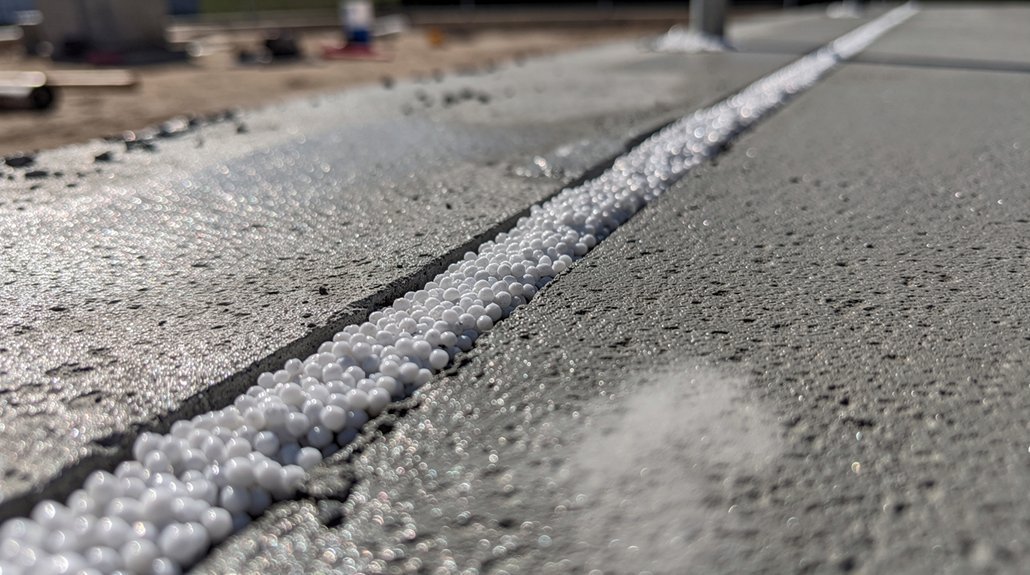
You’re looking for a reliable way to keep insects away from your foundation line without compromising safety or budget. In 2026 the top granules blend broad‑spectrum contact and stomach toxins, offering uniform size for even spread and rapid activation after watering. They stick to soil, resist wash‑off, and meet strict child‑safety standards. The question is which product actually delivers on those promises while fitting your specific site conditions.
| Spectracide Triazicide Insect Killer for Lawns 20 lb |  | Best Overall | Form: Granules | Intended Use: Outdoor lawn & foundation line treatment | Target Insects: >100 species (ants, crickets, armyworms, cutworms, grubs, ticks, chinch bugs, roaches, etc.) | CHECK ON AMAZON | Read Our Analysis |
More Details on Our Top Picks
Spectracide Triazicide Insect Killer for Lawns 20 lb
Looking for a reliable, fast‑acting barrier to protect your foundation line from ants, grubs, and other lawn‑damaging pests? Spectracide Triazicide Insect Killer for Lawns comes in a 20‑lb bag of granules that target over 100 insects, including ants (except harvester and pharaoh), crickets, armyworms, cutworms, ticks, chinch bugs, and roaches. Sprinkle the granules evenly around the perimeter, then water lightly to activate. It works above and below ground, killing pests at a rate of 2 lb per 1,000 sq ft. Apply when you first notice damage, especially late July through early October for grub control. After watering and drying, children and pets can safely return.
- Form:Granules
- Intended Use:Outdoor lawn & foundation line treatment
- Target Insects:>100 species (ants, crickets, armyworms, cutworms, grubs, ticks, chinch bugs, roaches, etc.)
- Coverage Rate:2 lb per 1,000 sq ft for ants (general coverage per bag)
- Application Timing:Apply when insects appear; grub control optimal late July–early October
- Safety Post‑Application:Safe for children and pets after watering and drying
- Additional Feature:20‑lb bulk packaging
- Additional Feature:United Industries manufacturer
- Additional Feature:Amazon 30‑day return policy
Factors to Consider When Choosing Insect Barrier Granules for Foundation Lines
You should check the active‑ingredient spectrum to guarantee it targets the pests you face. Consistent granule size, water solubility rate, and application timing precision affect how evenly the barrier forms and how long it lasts. Finally, consider coverage‑area efficiency so you get the most protection per pound.
Active Ingredient Spectrum
What pest types you need to control determines which active ingredient spectrum to prioritize. If ants, crickets, and ticks are your main concerns, choose a formula that covers both soil‑dwelling and surface‑active insects. Look for granules that combine contact and stomach toxicity; they need watering‑in to move through the soil and reach hidden pests. Some products act systemically, affecting insects that feed on plant roots, while others stay local, targeting surface feeders and grubs. Higher concentrations broaden the spectrum and extend durability, but they may also increase cost and regulatory restrictions. Ensure the blend matches your site’s layout—foundation lines, lawn edges, and mulch zones—to keep all target pests at bay.
Granule Size Consistency
Why does granule size consistency matter for foundation‑line treatments? You need uniform particles to spread evenly along the footing, ensuring every inch receives the intended dose. When granules are the same size, they settle without gaps or clumps, so no untreated pockets develop under the slab. Consistency also lets you calculate exact application rates per linear foot, cutting waste and keeping costs predictable. If the size varies, larger pieces may roll away while smaller ones sink too deep, creating uneven coverage and premature wear in some spots. This unevenness can force you to re‑apply sooner, disrupting maintenance schedules. So, prioritize products that guarantee tight size tolerance to achieve reliable, long‑lasting pest protection.
Water Solubility Rate
How fast the granules dissolve in water dictates whether you’ll get an immediate knock‑down of pests or a slower, longer‑lasting barrier. High water solubility means the active ingredient spreads quickly around the foundation after watering‑in, delivering rapid control and visible results. Low‑solubility formulations linger longer, relying on soil diffusion for a sustained, chambered protection that may take weeks to reach full effectiveness. Match the solubility to your irrigation schedule: rapid‑dissolving granules pair well with frequent, light watering, while slower‑dissolving types suit deep, infrequent irrigation. Also, check that the product mixes uniformly with water to avoid clumping and ensure even coverage. Finally, balance solubility against leaching risk—excessive runoff can waste product and harm nearby plants.
Application Timing Precision
Timing your application to match the insects’ activity windows is essential for a foundation‑line barrier to work. You should treat when you first see insects or notice lawn damage, catching them before they establish colonies. For soil‑dwelling pests, aim for late summer to early fall, when emergence and feeding peak. Follow each product’s seasonal guidance—some granules promise season‑long protection after a single dose, so timing the initial spread matters. After spreading, water the granules immediately; this activates the active ingredients and pushes them into the soil around your foundation lines, ensuring uniform distribution. By syncing these actions with the insects’ life cycles, you maximize efficacy while minimizing unnecessary re‑applications.
Coverage Area Efficiency
What determines how many bags you’ll need to protect your foundation line is the granule’s coverage‑area efficiency—typically expressed as square feet per bag or per pound. You’ll calculate how many linear feet of foundation you can treat by dividing the total square‑foot rating by the band width you plan to use. A higher rating means fewer bags, lower cost, and less frequent re‑application. Pay attention to granule size; larger particles spread more evenly across a wide band, while smaller ones may clump and leave gaps. Remember that rain or irrigation right after spreading can wash granules away, so you may need to re‑apply to maintain the intended coverage. Choosing a product with a strong, consistent coverage rating simplifies budgeting and ensures a continuous barrier around your foundation.
Soil Type Compatibility
Ever wondered if your soil will actually hold the barrier in place? Coarse sand lets granules slip, so you’ll need a higher spread rate than loam to keep coverage even along foundation lines. Check pH and moisture—acidic or soggy ground can dissolve the granules or cause runoff, reducing effectiveness. Choose a formula that resists wash‑off if your site gets heavy rain or frequent irrigation, especially in poorly draining soils. When the area is grassy or compacted, apply lighter and tweak edging to avoid gaps. Texture also dictates how deep granules penetrate; a light post‑application watering can activate the product, ensuring it bonds to the soil right at the foundation edge. Adjust these factors, and your barrier will stay put.
Safety Around Children
Soil conditions dictate how well the granules stay put, but once they’re set, the next priority is keeping kids safe. You should pick a product that clearly states a safe re‑entry time after it dries, so children won’t touch a still‑wet surface. Choose granules that need only a light watering‑in; that reduces dust that could cling to shoes and be carried indoors. Look for explicit wait‑times and restricted‑access guidelines that tell you how long to keep kids away. Finer particles can stick to footwear, so a coarser size or a non‑sticky coating is preferable. Finally, verify that the label includes documented safety data, child‑safety warnings, and first‑aid instructions, and that the packaging complies with relevant safety standards.
Brand Reliability Reputation
How long has a company been in the business? You’ll want a brand that’s been operating for years, because longevity usually means stable formulations and clear safety warnings. Look for independent reviews, third‑party certifications, and documented compliance with labeling standards to gauge reputation. A trusted brand will share transparent performance data, showing proven efficacy against foundation pests and realistic coverage claims. Consistent packaging and straightforward instructions signal a commitment to user safety and proper use. Finally, check for warranties, return policies, and accessible customer support—these elements reinforce long‑term trust and ensure you have guidance when problems arise. Choosing a reputable brand protects your foundation line and gives you confidence in the product’s reliability.
Frequently Asked Questions
How Long Does a Single Application Protect a Foundation Line?
A single application typically protects a foundation line for about 12–18 months, depending on soil conditions, climate, and product concentration, so you’ll need to reapply annually for optimal pest control.
Can Insect Barrier Granules Be Used on Both New and Existing Foundations?
Yes, you can apply insect barrier granules to both new and existing foundations; just clean the surface, spread the granules evenly, and water them in to activate the protection.
What Is the Environmental Impact of These Granules on Nearby Soil?
You’ll find that most granules break down into harmless organic compounds, but some contain synthetic polymers that linger, slightly altering microbial activity and pH. Choose biodegradable formulas to minimize lasting soil disruption.
Do These Granules Affect the Performance of Waterproofing Membranes?
Yes, they can affect waterproofing membranes. The granules may alter membrane adhesion, cause uneven curing, or introduce chemical interactions that reduce seal integrity, so you should test compatibility before installation.
Are There Any Safety Concerns for Pets and Children Near Treated Areas?
You should keep pets and kids away until the granules dry, because inhaling dust or touching wet particles can irritate skin, eyes, and lungs; once set, the risk drops dramatically.