
You’re probably battling aphids that keep bouncing back, and the market’s flooded with sprays that promise fast knockdown without hurting your plants. From neem oils that work on multiple fronts to soaps that kill on contact, each formula has its own quirks—coverage, pollinator safety, and harvest intervals. Picking the right one means weighing those details, and the differences can be subtle enough to make you pause before you decide.
| Bonide Captain Jack’s Neem Oil 32oz Spray | 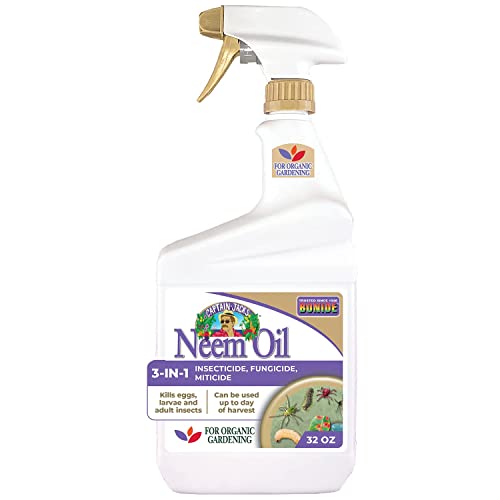 | Best Overall | Formulation Type: Oil‑based spray | Ready‑to‑Use: Yes | Target Pests (Aphids Included): Aphids, mites, flies, mildew | CHECK ON AMAZON | Read Our Analysis |
| Natria Neem Oil Spray 24oz Organic Plant Pest Control | 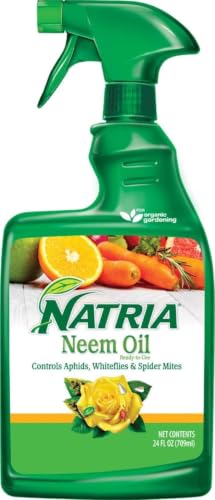 | Organic Choice | Formulation Type: Oil‑based spray | Ready‑to‑Use: Yes | Target Pests (Aphids Included): Aphids, spider mites, whiteflies | CHECK ON AMAZON | Read Our Analysis |
| Garden Safe Insecticidal Soap 32oz Organic Bug Killer |  | Budget-Friendly | Formulation Type: Soap‑based spray | Ready‑to‑Use: Yes | Target Pests (Aphids Included): Aphids, mealybugs, mites, thrips, whiteflies | CHECK ON AMAZON | Read Our Analysis |
| Mighty Mint Peppermint Oil Plant Spray,16 oz) |  | Natural Alternative | Formulation Type: Essential‑oil spray | Ready‑to‑Use: Yes | Target Pests (Aphids Included): Aphids, spider mites, gnats | CHECK ON AMAZON | Read Our Analysis |
| Bonide Captain Jack’s Insecticidal Super Soap Spray |  | Heavy-Duty | Formulation Type: Soap‑based spray | Ready‑to‑Use: Yes | Target Pests (Aphids Included): Aphids, spider mites, caterpillars, thrips | CHECK ON AMAZON | Read Our Analysis |
| EcoVenger Garden Insect Control (16 oz) – Plant‑Based Safe |  | Pet Safe | Formulation Type: Botanical‑based spray | Ready‑to‑Use: Yes | Target Pests (Aphids Included): Aphids, spider mites, gnats, armyworms | CHECK ON AMAZON | Read Our Analysis |
| BioAdvanced Rose and Flower Insect Killer Ready-to-Use 24 oz |  | Professional Grade | Formulation Type: Synthetic‑insecticide spray | Ready‑to‑Use: Yes | Target Pests (Aphids Included): Aphids, whiteflies, Japanese beetles, caterpillars | CHECK ON AMAZON | Read Our Analysis |
More Details on Our Top Picks
Bonide Captain Jack’s Neem Oil 32oz Spray
Bonide Captain Jack’s Neem Oil 32 oz spray is the go‑to solution for organic gardeners who need a single, ready‑to‑use product that tackles aphids, mites, flies, and fungal problems across roses, vegetables, herbs, and indoor plants. You’ll appreciate its three‑in‑one formula—fungicide, miticide, insecticide—derived from neem seed, so you can protect roses, flowers, vegetables, fruits, herbs, trees, shrubs, and houseplants without violating organic standards. The spray nozzle lets you apply it instantly, even up to harvest day, and you can use a dormant spray to shield plants seasonally. It eradicates eggs, larvae, and adults while preventing fungal attacks, delivering broad‑spectrum protection.
- Formulation Type:Oil‑based spray
- Ready‑to‑Use:Yes
- Target Pests (Aphids Included):Aphids, mites, flies, mildew
- Application Scope (Indoor/Outdoor):Indoor & outdoor
- Organic Approval:Organic‑approved
- Primary Active Ingredient:Neem oil extract
- Additional Feature:Multi‑purpose three‑in‑one
- Additional Feature:Dormant season protection
- Additional Feature:Works up to harvest day
Natria Neem Oil Spray 24oz Organic Plant Pest Control
Looking for an organic, ready‑to‑use spray that tackles aphids, spider mites, and fungal diseases without the hassle of mixing? Natria Neem Oil Spray 24 oz delivers a 0.9% clarified hydrophobic neem extract straight from the bottle, so you can spray indoor or outdoor plants instantly. It’s EPA‑registered (70051‑13‑92564) and wipes out aphids, spider mites, whiteflies, and gnats while also acting as a fungicide against blackspot, powdery mildew, rust and more. The 24‑oz bottle covers a garden or houseplant collection from spring through harvest. You’ll appreciate the ready‑to‑use formula, 1.5‑lb weight, and Amazon’s 30‑day return guarantee.
- Formulation Type:Oil‑based spray
- Ready‑to‑Use:Yes
- Target Pests (Aphids Included):Aphids, spider mites, whiteflies
- Application Scope (Indoor/Outdoor):Indoor & outdoor
- Organic Approval:Organic‑approved
- Primary Active Ingredient:Clarified hydrophobic neem extract (0.9%)
- Additional Feature:Clarified hydrophobic extract
- Additional Feature:EPA‑registered formula
- Additional Feature:Seasonal application flexibility
Garden Safe Insecticidal Soap 32oz Organic Bug Killer
If you’re an organic gardener needing a hassle‑free, ready‑to‑spray solution for aphids and other soft‑bodied pests, Garden Safe Insecticidal Soap 32 oz delivers exactly that. This ready‑to‑use spray works indoors, outdoors, and in greenhouses without mixing. You can apply it to vegetables, fruit trees, ornamentals, shrubs, and flowers, covering every leaf surface, especially undersides. The fatty‑acid‑salt formula kills on contact, targeting aphids, mealybugs, mites, leafhoppers, psyllids, scale, thrips, whiteflies, and more. It’s safe up to the day of harvest, letting you treat edibles right through to picking.
- Formulation Type:Soap‑based spray
- Ready‑to‑Use:Yes
- Target Pests (Aphids Included):Aphids, mealybugs, mites, thrips, whiteflies
- Application Scope (Indoor/Outdoor):Indoor & outdoor & greenhouse
- Organic Approval:Organic‑approved
- Primary Active Ingredient:Fatty‑acid salts (soap)
- Additional Feature:Contact‑only action
- Additional Feature:No mixing required
- Additional Feature:Harvest‑day safe
Mighty Mint Peppermint Oil Plant Spray,16 oz)
Mighty Mint Peppermint Oil Plant Spray, 16 oz, is the go‑to solution for anyone who wants a natural, plant‑based defense against aphids, gnats, spider mites, and fungal problems without harsh chemicals. You’ll spray it on houseplants, garden beds, or greenhouse rows, and the peppermint oil formula instantly deters pests while supporting healthier growth. The ready‑to‑use spray delivers even coverage with minimal mess, and you can clean the nozzle quickly. Follow the label directions, and the product stays safe for people and pets. It works on a wide range of plant types, keeping foliage vibrant and protecting against common insects and fungal issues.
- Formulation Type:Essential‑oil spray
- Ready‑to‑Use:Yes
- Target Pests (Aphids Included):Aphids, spider mites, gnats
- Application Scope (Indoor/Outdoor):Indoor & outdoor
- Organic Approval:Plant‑based, non‑synthetic
- Primary Active Ingredient:Peppermint oil
- Additional Feature:Peppermint oil base
- Additional Feature:Minimal mess cleanup
- Additional Feature:Pet‑friendly when directed
Bonide Captain Jack’s Insecticidal Super Soap Spray
Gardeners who prioritize organic, ready‑to‑use solutions will find Bonide Captain Jack’s Insecticidal Super Soap Spray a top pick for aphid control in 2026. You’ll appreciate its 32‑oz bottle, pre‑diluted and equipped with a spray nozzle, so you can head straight to the garden. The soap kills aphids through contact and ingestion, and it works on a host of other pests like spider mites, thrips, and caterpillars. It’s safe for a wide range of plants—cabbage, basil, apples, lawns, and more—making it versatile for beds, borders, and greenhouses. Use it outdoors, spray directly on insects, and let leaf‑eaters consume the treated surface for maximum effect.
- Formulation Type:Soap‑based spray
- Ready‑to‑Use:Yes
- Target Pests (Aphids Included):Aphids, spider mites, caterpillars, thrips
- Application Scope (Indoor/Outdoor):Outdoor (garden, lawn, greenhouse)
- Organic Approval:Organic‑approved
- Primary Active Ingredient:Fatty‑acid salts (soap)
- Additional Feature:Dual‑action kill method
- Additional Feature:Wide range of target insects
- Additional Feature:Outdoor residential focus
EcoVenger Garden Insect Control (16 oz) – Plant‑Based Safe
Looking for a fast‑acting, plant‑based spray that’s safe around kids, pets, and even aquarium fish? EcoVenger Garden Insect Control,16 oz) kills aphids, armyworms, mealybugs, spider mites, gnats and eggs on contact. You can spray foliage and stems directly, then dilute five‑times with water for a powerful gnat and soil treatment. The botanical blend—citronella, geraniol, cedarwood—offers immediate kill and long‑term prevention without staining or harsh odor. It’s non‑toxic, GRAS‑approved, and safe for children, pets, birds and fish. Test on a hidden leaf, watch for burn, then treat indoor foliage or garden soil confidently.
- Formulation Type:Botanical‑based spray
- Ready‑to‑Use:Yes
- Target Pests (Aphids Included):Aphids, spider mites, gnats, armyworms
- Application Scope (Indoor/Outdoor):Indoor & outdoor
- Organic Approval:Plant‑based, child & pet safe
- Primary Active Ingredient:Citronella, geraniol, cedarwood oils
- Additional Feature:Plant‑based botanical blend
- Additional Feature:Child & pet safe
- Additional Feature:Soil‑egg treatment option
BioAdvanced Rose and Flower Insect Killer Ready-to-Use 24 oz
If you need fast, reliable protection for roses and other flowering plants against aphids and a range of other pests, BioAdvanced Rose and Flower Insect Killer, Ready‑to‑Use, 24 oz offers just that. This ready‑to‑spray formula contains 0.003 % cyfluthrin, EPA‑registered under 92564‑18, and kills over 100 insects on contact, including aphids, whiteflies, caterpillars, Japanese beetles, and scale. You’ll get up to 14 days of protection after a single coating of foliage. The 24‑oz bottle covers roses, shrubs, vegetables, and indoor plants, and the spray should be applied evenly without dripping. Customers rate it 4.4/5, and Amazon backs it with a 30‑day return guarantee.
- Formulation Type:Synthetic‑insecticide spray
- Ready‑to‑Use:Yes
- Target Pests (Aphids Included):Aphids, whiteflies, Japanese beetles, caterpillars
- Application Scope (Indoor/Outdoor):Indoor & outdoor
- Organic Approval:Not organic‑approved (synthetic)
- Primary Active Ingredient:Cyfluthrin (0.003%)
- Additional Feature:14‑day protection claim
- Additional Feature:Cyfluthrin active ingredient
- Additional Feature:Quick‑spot treatment design
Factors to Consider When Choosing Aphid Killer Sprays for Plant Protection
You should check the active ingredients to ensure they’re effective against aphids and act quickly on contact. Decide whether you need a systemic formula that moves inside the plant or a contact spray that stays on the surface. Also verify the product’s organic certification and follow the recommended application timing for best results.
Effective Active Ingredients
What makes an aphid spray truly effective is its active ingredient, which determines whether it works on contact, systemically, or both. You’ll find neonicotinoid‑like compounds delivering systemic protection, moving through plant tissue to reach hidden colonies. Soap‑based actives and fatty acid esters act on contact, rupturing aphid cell membranes, so you must coat every leaf surface. Pyrethroid and pyrethrin classes knock aphids down fast, yet their residual life is short and they can threaten beneficial insects if you spray during bloom. Botanical oils such as neem offer multiple modes—insemin, fungicidal, miticidal—though their performance shifts with temperature and humidity. Always check label warnings for pollinator safety and plant tolerance before you apply, ensuring the spray protects your crop without harming allies.
Rapid Contact Action
Why does rapid contact action matter? Because you need a spray that kills aphids the moment it hits them, without waiting for ingestion or systemic uptake. Oils and soaps deliver that instant knockdown by breaking down exoskeletons and cell membranes on contact. To make it work, you must coat both the upper and lower leaf surfaces thoroughly, catching mobile and hidden insects alike. Expect shorter re‑application intervals—rain or irrigation will wash the product off, and residual activity is limited. When you’re growing edible crops, this quick surface efficacy lets you resume harvest sooner, minimizing downtime. Choose a contact‑only formula that balances rapid kill with safe residue limits, and plan for frequent, complete coverage.
Systemic vs. Contact
Choosing between systemic and contact aphid sprays hinges on how quickly you need control and how long you expect protection to last. Systemic products are absorbed, travel through xylem and phloem, and protect new growth and hidden infestations for weeks. They’re ideal when you want internal, residual control, especially for aphids feeding deep in the phloem. However, vascular transport can be slow in woody or drought‑stressed plants, delaying knockdown. Contact sprays act only when pests land on treated surfaces, delivering rapid knockdown but requiring frequent re‑applications as new aphids arrive. They work best for high, exposed populations on leaf tops. Weigh speed versus duration, plant type, and infestation level before deciding which mode fits your garden’s needs.
Organic Certification Status
Organic certification status tells you instantly whether an aphid spray fits into an organic garden, so you can stay compliant and protect your plants. Look for an OMRI‑listed label or an equivalent certification on the bottle; that stamp guarantees the product meets recognized organic standards. Certified sprays rely on plant‑based or naturally derived active ingredients and steer clear of synthetic chemicals, which helps you meet residue limits and harvest interval rules. If a product lacks organic status, you’ll need to treat it as a conventional pesticide and follow the usual regulatory requirements. By checking the certification before you buy, you avoid accidental non‑compliance and ensure every spray you use aligns with your organic gardening goals.
Application Timing Guidelines
Knowing a spray’s organic status is only half the battle; you also need to time its use correctly. Check the labeled timing windows—spring, early summer, fall—to match aphid life cycles and boost efficacy. When you grow edible crops, apply sprays up to the harvest day, respecting any pre‑harvest intervals, so you control pests without delaying harvest. Use preventive dormant or pre‑season applications as soon as new growth appears, shielding seedlings from early infestations. If you spot aphids on tender foliage or flower buds, treat immediately; early intervention prevents population explosions. Finally, coordinate applications with weather: avoid rain or strong winds that could wash off the product or cause drift, ensuring the spray stays where it’s needed.
Target Plant Compatibility
One key step is confirming that the spray is labeled safe for the exact plant type you’re treating—whether it’s a vegetable garden, fruit tree orchard, ornamental bed, or houseplant collection. You’ll need to verify that the formulation is approved for edible crops if you plan to harvest soon, so residue won’t be a concern. Check that the product targets aphids on your specific crop, because some sprays are insect‑only while others also hit mites or fungi. Make sure the label distinguishes indoor from outdoor use; houseplants often require a milder, non‑volatile formula. Follow plant‑specific instructions on coverage—whether you need a full leaf coat or a light contact spray—and note any dilution or soil‑treatment steps to avoid phytotoxicity.
Safety for Beneficial Insects
Ever wonder how to protect aphids without wiping out the lady beetles and lacewings that keep your garden balanced? Choose sprays that act selectively, targeting aphids while sparing beneficial insects. Look for plant‑based oils or soaps instead of broad‑spectrum neurotoxins, and check the label for any restrictions on timing or precautions when beneficials are present. Opt for products with short residual activity so they break down quickly, limiting long‑term exposure. Apply spot treatments directly to aphid colonies rather than blanket sprays, and aim for early morning or late evening when beneficial insects are less active. By respecting these factors, you’ll keep aphids under control without sacrificing the natural predators that maintain a healthy garden ecosystem.
Frequently Asked Questions
Do These Sprays Affect Pollinator Health?
Yes, many aphid sprays can harm pollinators—especially broad‑spectrum chemicals and neonicotinoids—so you should choose targeted, low‑toxicity options, apply them early morning, and keep flowers away during treatment.
Can I Use These Products on Edible Herbs?
Yes, you can spray them on edible herbs, but follow label instructions, avoid harvest before the recommended waiting period, and choose products labeled safe for food crops to protect pollinator health.
What Is the Recommended Re‑Application Interval?
You should re‑apply every 7‑10 days, depending on spray severity and weather. If rain or heavy dew occurs, treat again after it dries, ensuring the spray stays effective throughout the growing season.
Are There Any Known Resistance Issues With Aphids?
You’ll find some aphid populations have developed resistance to neonicotinoids and pyrethroids, especially after repeated use. Rotate modes of action, incorporate oils, and monitor for reduced efficacy to avoid resistance buildup.
Do These Sprays Work on Indoor Houseplants?
Yes, you can use them on indoor houseplants; just follow label directions, apply evenly, and avoid excessive moisture. Spot‑test first, keep ventilation good, and reapply if aphids return.