

You’ve probably noticed tiny gnaw marks and hear faint scratching behind the walls, and you know a quick, reliable seal can stop rodents before they turn your home into a buffet. Modern rodent‑exclusion foams combine pesticide‑free polyurethane with targeted delivery, so you can fill cracks, gaps, and crevices without a mess. The right product will bond to wood, concrete, brick, or metal, stay rigid and trim‑able, and keep out moisture and UV. Let’s compare the top seven options and see which one fits your project best.
| Tomcat Rodent Block Expanding Foam 12 oz | 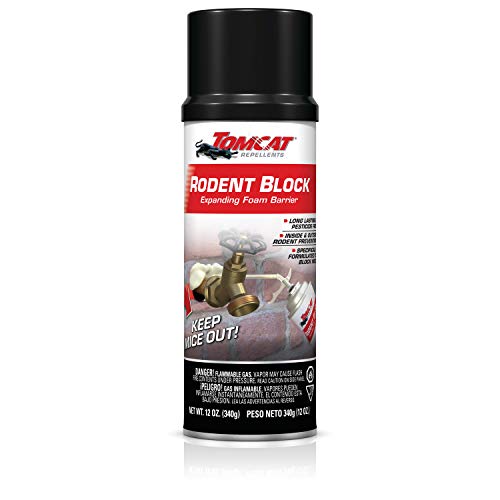 | Pest‑Free Blocker | Application Method: Spray foam with straw | Expansion Capability: Expands to fill gaps | Target Gap Size: Up to 1 in (crevices) | CHECK ON AMAZON | Read Our Analysis |
| Loctite Foam Gap Crack Sealant 12oz Can |  | Premium Sealant | Application Method: Spray can (no straw) | Expansion Capability: Expands to fit irregular spaces | Target Gap Size: Up to 1 in | CHECK ON AMAZON | Read Our Analysis |
| Great Stuff 99108824 Smart Dispenser Gaps & Cracks Cream 12 Ounce |  | Precision Dispenser | Application Method: Smart dispenser spray | Expansion Capability: Expands to fill cracks | Target Gap Size: General cracks & gaps | CHECK ON AMAZON | Read Our Analysis |
| Red Devil Expanding Foam Sealant 12 oz Off‑White (Pack of 1) |  | All‑Purpose Foam | Application Method: Spray foam can | Expansion Capability: Expands to fill voids | Target Gap Size: Up to 1 in | CHECK ON AMAZON | Read Our Analysis |
| Rodent Barrier Kit with Steel Wool & Foam Fillers | 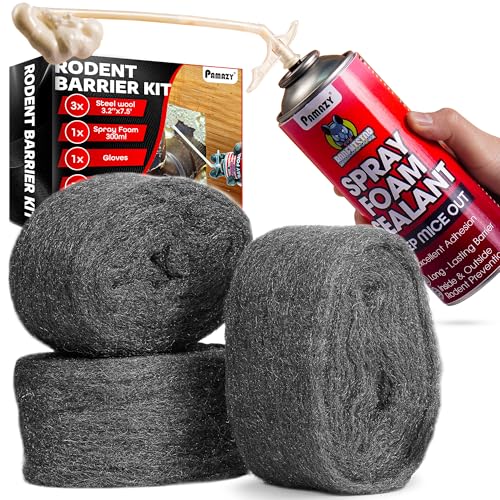 | Complete Kit | Application Method: Steel wool + spray foam (spray) | Expansion Capability: Foam expands after steel wool | Target Gap Size: Small to large holes (steel wool for larger) | CHECK ON AMAZON | Read Our Analysis |
| Rodent Block Spray Foam – Mouse Hole Filler Barrier |  | Odor‑Deterrent | Application Method: Spray foam with clear straw | Expansion Capability: Expands to seal holes | Target Gap Size: Small to medium gaps | CHECK ON AMAZON | Read Our Analysis |
| Xcluder Rodent Control DIY Kit Stainless Steel Wool |  | Rust‑Proof Barrier | Application Method: Steel wool fabric (no spray) | Expansion Capability: Fill fabric compresses, expands | Target Gap Size: Small to medium openings | CHECK ON AMAZON | Read Our Analysis |
More Details on Our Top Picks
Tomcat Rodent Block Expanding Foam 12 oz
Looking for a hassle‑free, pesticide‑free way to seal those mouse‑sized cracks in your garage, attic, or foundation? Tomcat Rodent Block Expanding Foam, 12 oz, lets you spray foam into crevices, then watch it expand into a tight, water‑resistant barrier that blocks mice. Attach the reusable straw, aim at gaps around foundations, basements, or attics, and press the trigger. The foam adheres to wood, concrete, and metal, creating an airtight seal you can later trim, sand, or paint. It’s a long‑lasting, rodent‑proof solution that works without chemicals, keeping your home sealed and pest‑free.
- Application Method:Spray foam with straw
- Expansion Capability:Expands to fill gaps
- Target Gap Size:Up to 1 in (crevices)
- Material Compatibility:Most building materials
- Post‑Cure Finish:Can be trimmed, sanded, painted
- Safety / Environmental:Pesticide‑free, family‑friendly
- Additional Feature:Reusable straw applicator
- Additional Feature:Water‑resistant bond
- Additional Feature:Paintable after curing
Loctite Foam Gap Crack Sealant 12oz Can
Need a foam that seals 1‑inch gaps while expanding to fill irregular cracks? Loctite Foam Gap Crack Sealant 12 oz can does exactly that. It expands into high‑density polymer foam, creating a uniform cell structure that adheres strongly to wood, concrete, brick, stone, metal, PVC, and more. The polyurethane formulation resists UV, so the seal lasts despite sunlight exposure and building movement. You’ll appreciate its premium durability and insulation properties, making it perfect for remodeling projects where you need a reliable, long‑lasting barrier against rodents and drafts. One 12 oz can covers ample area for most residential repairs.
- Application Method:Spray can (no straw)
- Expansion Capability:Expands to fit irregular spaces
- Target Gap Size:Up to 1 in
- Material Compatibility:Wood, concrete, brick, metal, PVC, etc.
- Post‑Cure Finish:Not specified (standard foam)
- Safety / Environmental:No HCFCs/CFCs, standard foam safety
- Additional Feature:UV‑resistant formulation
- Additional Feature:High‑density uniform cells
- Additional Feature:Premium durability claim
Great Stuff 99108824 Smart Dispenser Gaps & Cracks Cream 12 Ounce
If you’re sealing wall gaps to keep rodents out while cutting energy bills, the Great Stuff 99108824 Smart Dispenser delivers precise, mess‑free foam that stops exactly where you want it. The cream‑colored, 12‑ounce can targets drafts and cracks, reducing energy loss and blocking tiny intruders. Its smart dispenser prevents drips, giving you greater control and a clean finish. You can reuse the nozzle for up to 30 days, so you’ll be ready for multiple projects without buying new tools. This product combines convenience, efficiency, and durability, making it a top choice for DIY pest‑proofing and energy‑saving repairs.
- Application Method:Smart dispenser spray
- Expansion Capability:Expands to fill cracks
- Target Gap Size:General cracks & gaps
- Material Compatibility:General interior surfaces
- Post‑Cure Finish:Precise control, no drips
- Safety / Environmental:No mess, low‑drip design
- Additional Feature:No‑drip dispensing
- Additional Feature:30‑day reusability
- Additional Feature:Precise foam stop
Red Devil Expanding Foam Sealant 12 oz Off‑White (Pack of 1)
Red Devil’s 12-oz expanding foam sealant is perfect for homeowners who need a fast, reliable way to block rodent entry points up to an inch wide. You spray it into cracks, gaps, or holes, and it expands to form an airtight, waterproof seal that adheres to wood, concrete, cinder block, aluminum, and fiberglass. The foam cures solid, then you can sand, paint, or stain it, matching any décor. It works indoors and outdoors, so you can protect foundations, windows, doors, and pipe penetrations. The product contains no HCFCs or CFCs, making it environmentally safe. You’ll appreciate the quick, easy application and the 30‑day return guarantee.
- Application Method:Spray foam can
- Expansion Capability:Expands to fill voids
- Target Gap Size:Up to 1 in
- Material Compatibility:Wood, concrete, cinder block, aluminum, fiberglass
- Post‑Cure Finish:Sandable, paintable, stainable
- Safety / Environmental:No HCFCs/CFCs, environmentally safe
- Additional Feature:No HCFC/CFC content
- Additional Feature:Sandable, paintable, stainable
- Additional Feature:Solvent cleanup required
Rodent Barrier Kit with Steel Wool & Foam Fillers
Homeowners who want a one‑stop solution for sealing rodent entry points will love the Rodent Barrier Kit’s combination of thick steel wool and expanding spray foam, which together create a durable, chew‑proof seal that lasts year‑round. You’ll cut the fluffy, tight‑wound steel wool with the included scissors, pack it into medium‑to‑large gaps, then shake the 350 ml foam can and spray it over the wool. The foam expands, adheres, and fills any remaining cracks, giving you a single, weather‑resistant barrier around garages, kitchens, attics, basements, windows, and pipes. The kit also includes gloves for clean handling and a versatile steel‑wool pad for polishing tasks.
- Application Method:Steel wool + spray foam (spray)
- Expansion Capability:Foam expands after steel wool
- Target Gap Size:Small to large holes (steel wool for larger)
- Material Compatibility:Wood, metal, plastic, masonry, etc.
- Post‑Cure Finish:Foam can be trimmed; steel wool remains
- Safety / Environmental:Non‑toxic steel wool, foam safe
- Additional Feature:Includes cutting scissors
- Additional Feature:Multi‑purpose steel wool
- Additional Feature:Complete DIY kit
Rodent Block Spray Foam – Mouse Hole Filler Barrier
Rodent Block Spray Foam is the go‑to solution for anyone who needs a fast, durable barrier against mice slipping through wall gaps, and its odor‑based deterrent makes it especially effective for DIY homeowners and professional pest‑control crews alike. You’ll shake the can, clean the surface, attach the clear straw, then spray from bottom to top, filling about half the cavity. The foam expands, seals wood, metal, concrete, and more, and solidifies in ten minutes, letting you trim, sand, or paint after an hour. It’s pesticide‑free, waterproof, and works from 41°F to 86°F, but wear gloves, goggles, and ensure ventilation to avoid eye or respiratory irritation.
- Application Method:Spray foam with clear straw
- Expansion Capability:Expands to seal holes
- Target Gap Size:Small to medium gaps
- Material Compatibility:Wood, metal, plastic, ceramic, glass, concrete, stone, etc.
- Post‑Cure Finish:Can be trimmed, sanded, painted
- Safety / Environmental:Pesticide‑free, ventilation recommended
- Additional Feature:Odor that repels mice
- Additional Feature:Comes with clear straw
- Additional Feature:10‑minute cure time
Xcluder Rodent Control DIY Kit Stainless Steel Wool
Looking for a barrier that won’t rust, corrode, or degrade over time? Xcluder’s DIY kit gives you an impenetrable seal for gaps, holes, and cracks. The stainless‑steel wool blends with poly fibers, compresses into tight openings, then expands to lock in place—no rust, no decay. You’ll get a 4‑inch × 5‑foot roll, shears, and gloves, all made in America and USDA‑tested. It blocks mice and rats in walls, vents, plumbing, and siding without chemicals or traps. The gray mesh is lightweight (0.7 lb), easy to cut, and provides a permanent, eco‑friendly defense.
- Application Method:Steel wool fabric (no spray)
- Expansion Capability:Fill fabric compresses, expands
- Target Gap Size:Small to medium openings
- Material Compatibility:Gaps in walls, plumbing, HVAC, siding
- Post‑Cure Finish:Steel wool remains, can be covered
- Safety / Environmental:Eco‑friendly stainless steel, rust‑proof
- Additional Feature:Rust‑proof stainless steel
- Additional Feature:Poly‑fiber reinforced mesh
- Additional Feature:USDA APHIS lab tested
Factors to Consider When Choosing Rodent Exclusion Foam Sprays for Wall Gaps
You’ll want a spray that sticks well to wood, drywall, or metal, so check its adhesion rating. Look for a product that expands just enough to fill gaps without pushing back, and make sure it stays waterproof and airtight after curing. Finally, verify it’s low‑toxicity, easy to apply, and simple to clean up if you need to make adjustments.
Adhesion to Materials
What material are you sealing, and how will that affect the foam’s grip? You’ll find that adhesion differs across substrates: wood, concrete, brick, stone, metal, PVC, and painted or raw surfaces all react uniquely. Choose a foam formulated for airtight, water‑resistant bonds that stay stable even when the material shifts. Look for high‑density, uniform‑cell foams; they cling tighter and sag less in irregular gaps. Prepare the surface by cleaning debris and lightly moistening it, then use the supplied nozzle or straw for precise application. After curing, many foams can be sanded, painted, or stained to blend with the wall, giving you a seamless, durable seal that keeps rodents out.
Expansion Rate Control
How much foam you let expand determines whether the seal stays tight or overflows into the cavity. When you pick a spray, check its expansion rate. Foams that expand to half the target volume give you room to trim and avoid excess pressure on surrounding studs. Rapid‑initial products seal fast, but they demand a precise straw or nozzle to keep the foam from spilling into hidden cavities. Look for a uniform cell structure; it guarantees consistent fill and prevents sagging in irregular gaps. Keep the wall surface clean, slightly damp, and work at moderate temperatures—these conditions stabilize the chemical reaction and give you predictable expansion. By matching the foam’s expansion characteristics to the gap size and your application tools, you’ll achieve a tight, lasting rodent barrier without messy overfill.
If you prefer a different synonym for “ensure,” tell me which option you’d like (e.g., “guarantee,” “assure,” “secure,” “certify”) and I’ll replace it accordingly.
Waterproof and Air‑Seal Capability
One of the most critical specs for a rodent‑exclusion spray is its waterproof and air‑seal capability. You need a foam that cures into a rigid, moisture‑resistant barrier, stopping both water intrusion and air exchange in wall gaps. Look for expanding polyurethane that adheres to wood, concrete, brick, or metal while staying airtight even as the structure shifts or settles. UV‑resistant formulations protect exterior seams from cracking under sunlight, preserving the seal over years. After curing, the foam should be trim‑able and, if necessary, re‑usable around edges or penetrations, letting you fine‑tune the fit without compromising waterproofing. This combination of durability, flexibility, and strong bonding ensures long‑term protection against rodents and the elements.
Safety and Toxicity Considerations
Do you know which safety factors truly matter when picking a rodent‑exclusion foam? First, check if the product is pesticide‑free; a physical barrier means no lingering chemicals inside walls. Look for formulations that cure into a rigid, waterproof seal, because you’ll be able to trim, sand, and paint later without creating new entry points. Apply with a straw and fill only half the cavity volume to prevent over‑pressurizing and possible wall damage. Follow temperature guidelines—most foams expand best around 68 °F—so you get proper adhesion and avoid off‑gassing. Some blends emit irritants while wet, so ventilate the area and wear gloves, goggles, or a mask. Finally, verify that the foam bonds to your wall material, whether wood, concrete, brick, metal, or PVC.
Ease of Application and Cleanup
A good rodent‑exclusion foam should let you work quickly and cleanly, so look for a product with a long, reusable straw that reaches deep gaps without splattering. Choose a spray that expands into a rigid, trim‑able foam, because you can sand or cut excess before painting or staining, which simplifies final cleanup. Aim for a cure time of ten minutes to an hour; the faster it hardens, the sooner you can move on to other repairs. A water‑resistant, airtight seal reduces the chance of future leaks and the need for re‑application. Finally, pick a formula that comes with clear safety instructions—ventilation, gloves, and eye protection—so you avoid accidental spills and hazardous residues while you work.
Frequently Asked Questions
Can Foam Sprays Be Used Outdoors on Foundation Cracks?
Yes, you can spray foam outdoors on foundation cracks, but choose a weather‑resistant, UV‑stable product, apply it in dry conditions, and seal any gaps promptly to prevent moisture damage and rodent entry.
Do These Foams Affect Indoor Air Quality After Curing?
You’ll notice no lingering fumes once the foam cures; most products are low‑VOC and safe for indoor air, but ensure proper ventilation during application and let it fully harden before re‑occupying the space.
How Long Does the Foam Remain Effective Against Rodents?
You’ll find the foam stays effective for about three to five years, depending on the product and environment. It maintains its barrier until it degrades from UV exposure, moisture, or physical damage.
Are the Foams Safe Around Pet Food Storage Areas?
Yes, you can use most rodent‑exclusion foams near pet food storage, but check the label for non‑toxic, food‑grade certification; avoid sprays that contain harsh solvents or strong odors that could contaminate the food.
Can Foam Be Removed Without Damaging Painted Walls?
Yes, you can peel the foam off gently, using a plastic scraper and warm soapy water, then wipe the surface; it won’t strip paint if you work slowly and avoid harsh chemicals.