
You’re looking for a termite defense that lasts, and the right monitoring stations can make all the difference. In 2026 the top five options blend long‑term bait integration, easy upkeep, and solid warranties, so you won’t be caught off guard by a hidden infestation. From Spectracide’s all‑in‑one kit to HexPro’s low‑maintenance system, each solution offers a distinct balance of coverage and convenience. Let’s compare how they stack up and what you should weigh before committing.
| Spectracide Termite Detection & Killing Stakes (15 Count) | 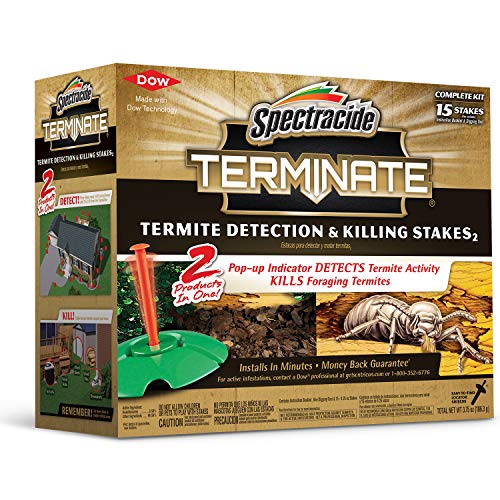 | Quick‑Setup Defender | Number of Stations: 15 stakes | Included Bait/Cartridge: No bait (detection only) | Installation Depth: 2–3 ft from foundation, stakes driven into ground | CHECK ON AMAZON | Read Our Analysis |
| Advance Termite Bait Monitoring Stations(TBS)-Ten Stations 74493 | 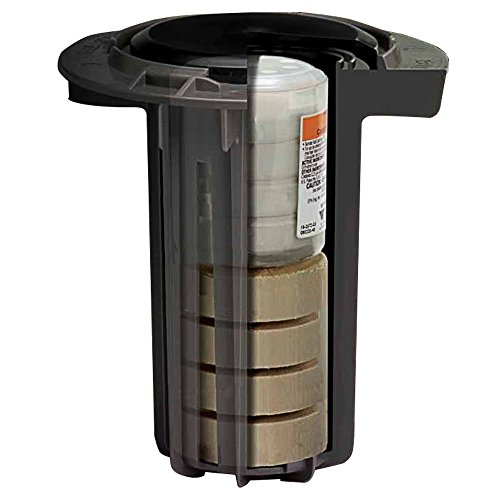 | Easy‑Install Monitor | Number of Stations: 10 stations | Included Bait/Cartridge: No bait (monitoring only) | Installation Depth: 1 ft deep cavity (2.5–3 in diameter) | CHECK ON AMAZON | Read Our Analysis |
| BASF Termite Bait & Monitoring System Home Kit |  | Professional‑Grade Kit | Number of Stations: 10 stations | Included Bait/Cartridge: 6 bait cartridges (Novaluron) | Installation Depth: 1 ft deep cavity (2.5–3 in diameter) | CHECK ON AMAZON | Read Our Analysis |
| HexPro Termite Monitoring Baiting System 10 stations no bait |  | Low‑Impact Solution | Number of Stations: 10 stations | Included Bait/Cartridge: No bait (monitoring only) | Installation Depth: Soil placement, no specific depth | CHECK ON AMAZON | Read Our Analysis |
| Trelona Advance Termite Bait Cartridge (6 Pack) |  | Targeted Bait Cartridge | Number of Stations: N/A (cartridge only) | Included Bait/Cartridge: 6 bait cartridges (Diflubenzuron) | Installation Depth: N/A (cartridge only) | CHECK ON AMAZON | Read Our Analysis |
More Details on Our Top Picks
Spectracide Termite Detection & Killing Stakes (15 Count)
Looking for a low‑maintenance way to catch termites before they damage your home? Spectracide’s Termite Detection & Killing Stakes give you both detection and control in a single kit. The pop‑up indicators flag activity, and the embedded insecticide kills foraging termites. You’ll get fifteen stakes, locator shields, a digging tool, and an instruction booklet. Install each stake two to three feet from your foundation, spacing them no more than ten feet apart. The system sets up in minutes, letting you monitor the surrounding soil and reduce termite populations before they reach your structure. This quick‑setup solution offers early detection and immediate treatment.
- Number of Stations:15 stakes
- Included Bait/Cartridge:No bait (detection only)
- Installation Depth:2–3 ft from foundation, stakes driven into ground
- Spacing Between Units:≤10 ft apart
- Detection Mechanism:Pop‑up indicator on stake
- Material of Station Body:Plastic stake with locator shield
- Additional Feature:Pop‑up activity indicator
- Additional Feature:Quick‑minute installation
- Additional Feature:Locator shield included
Advance Termite Bait Monitoring Stations(TBS)-Ten Stations 74493
If you need a reliable, low‑maintenance way to spot termite activity before you commit to chemical treatments, the Advance Termite Bait Monitoring Stations (TBS) – Ten Stations 74493 are a solid choice. Each kit includes ten wooden stations, ten inspection cartridges, and ten wood blocks, all packaged by BASF under model 11480. You dig 2.5‑3 in. diameter, 1‑ft‑deep cavities 10‑20 ft apart around your home’s perimeter, then drop a station into each hole. The stations act as detection tools; once termites are found, you swap the cartridges for Trelona bait to eliminate the colony. The brown, modern‑style units weigh 15.2 oz, measure 11.3 × 7.9 × 19 in., and come with a 30‑day Amazon return guarantee.
- Number of Stations:10 stations
- Included Bait/Cartridge:No bait (monitoring only)
- Installation Depth:1 ft deep cavity (2.5–3 in diameter)
- Spacing Between Units:10–20 ft apart
- Detection Mechanism:Wood block monitor (visual inspection)
- Material of Station Body:Wood station
- Additional Feature:No termiticides pre‑loaded
- Additional Feature:Requires 2.5‑3 in. cavities
- Additional Feature:Amazon 30‑day return guarantee
BASF Termite Bait & Monitoring System Home Kit
Homeowners who want professional‑grade termite protection without hiring a pest‑control service will find the BASF Termite Bait & Monitoring System Home Kit to be the most practical choice in the 2026 roundup. You receive ten pre‑loaded stations—each with a wood base and termite inspection cartridge—plus six Novaluron bait cartridges, an access tool, and a drilling auger (sold separately). Place stations 10‑20 feet apart around your perimeter; larger homes may need more. The cellulose matrix lures termites, and the 0.5 % Novaluron bait delivers 33 % extra bait per cartridge for extended control. When activity shows, swap inspection cartridges for bait to eradicate the colony.
- Number of Stations:10 stations
- Included Bait/Cartridge:6 bait cartridges (Novaluron)
- Installation Depth:1 ft deep cavity (2.5–3 in diameter)
- Spacing Between Units:10–20 ft apart
- Detection Mechanism:Wood block monitor (visual inspection)
- Material of Station Body:Wood station
- Additional Feature:0.5% Novaluron bait
- Additional Feature:33% more bait per cartridge
- Additional Feature:Includes access tool
HexPro Termite Monitoring Baiting System 10 stations no bait
Who needs a low‑maintenance, environmentally safe termite defense? You’ll appreciate HexPro’s 10‑station monitoring system because it lets you spot activity before you add bait. Install the stations around the building perimeter, spacing them 8‑10 feet apart and never more than 20 feet where soil access is limited. Avoid pesticide‑treated soil until it dries and skip liquid termiticide zones. Check the wood monitors monthly, bi‑monthly, or quarterly, swapping out any that are damaged or decayed. The electric‑ready, modern design works with wood monitors or Shatter bait (not included) and carries a 30‑day Amazon return guarantee.
- Number of Stations:10 stations
- Included Bait/Cartridge:No bait (monitoring only)
- Installation Depth:Soil placement, no specific depth
- Spacing Between Units:8–10 ft (max 20 ft)
- Detection Mechanism:Wood monitor (visual inspection)
- Material of Station Body:Wood station
- Additional Feature:Low toxicity to wildlife
- Additional Feature:No drilling or trenching needed
- Additional Feature:Electric‑powered monitoring option
Trelona Advance Termite Bait Cartridge (6 Pack)
Looking for a reliable way to keep subterranean termites at bay while your monitoring stations work? The Trelona Advance Termite Bait Cartridge (6 Pack) fits right into your Advance Termite Monitoring Stations and releases 0.25 % diflubenzuron when termites feed. This active ingredient disrupts chitin formation, slowing colony growth and eventually collapsing the nest. You’ll place each cartridge in a station where termites are already present, letting the bait do the heavy lifting. The six‑cartridge pack gives you enough coverage for multiple stations, ensuring continuous control without frequent replacements. It’s a straightforward, low‑maintenance solution for long‑term termite defense.
- Number of Stations:N/A (cartridge only)
- Included Bait/Cartridge:6 bait cartridges (Diflubenzuron)
- Installation Depth:N/A (cartridge only)
- Spacing Between Units:N/A (cartridge only)
- Detection Mechanism:N/A (cartridge only)
- Material of Station Body:Plastic cartridge (for use in wood stations)
- Additional Feature:0.25% Diflubenzuron active
- Additional Feature:Designed for Advance stations
- Additional Feature:Micro‑Gen bait technology
Factors to Consider When Choosing Termite Monitoring Stations for Long-Term Defense
When you pick a monitoring station, you’ll first compare its type and sensitivity to match the termite activity you expect. Next, consider how easy it is to install, whether it works with your soil conditions, and if it can integrate bait without hassle. Finally, look at its durability and how long it will stay effective in the field.
Types Types Sensitivity
Choosing the right termite monitoring station hinges on its sensitivity, which is shaped by the detection mechanism, placement, bait type, and environmental conditions. Pop‑up indicators give you instant visual cues, while TICs rely on wood‑based signals that you must inspect on a schedule. Faster alerts mean you catch foraging colonies sooner. Space stations 8‑20 feet apart and fit 2.5‑3 inch cavities to maximize perimeter coverage; tighter spacing boosts early detection. Bait matters—wood blocks attract dry‑termite activity, cellulose matrices lure subterranean species, and TICs combine both, influencing which foragers you’ll catch. Avoid previously treated soil and position stations at about a foot deep; untreated, correctly depth‑situated stations keep the bait accessible and the sensor effective, preserving long‑term sensitivity.
Installation Ease Factors
A good termite monitoring station should let you set it up with little digging or trenching, keeping installation time and soil disturbance to a minimum. Look for kits that include all necessary tools, wood monitors, and TICs so you won’t need a run to the hardware store. Choose a system that spells out spacing—typically 8–20 feet between stations—so you can lay out a consistent perimeter without guessing. Opt for designs that give a clear, visual indication of activity, letting you confirm termite presence before you invest in baiting. Finally, pick stations that open easily for monthly or quarterly checks, letting you inspect without tearing up landscaping or re‑digging. These factors streamline setup, cut labor costs, and keep your long‑term defense on track.
Soil Compatibility Considerations
After you’ve nailed the quick‑install setup, the next step is matching the station to your soil’s quirks. First, decide if the product is built for landscaped beds or bare soil; landscaped sites often retain more organic matter and moisture, which can accelerate wood‑based monitor decay. Aim for a cavity depth around one foot and space stations 8–20 feet apart to achieve uniform perimeter coverage. Check drainage—excessively wet or compacted soil will hinder probe access and destabilize the unit. Avoid areas with recent pesticide applications or soil treatments, and follow label warnings about treated zones. Finally, consider pH and humus levels; high moisture and rich humus promote wood decay, giving you clearer termite activity signals.
Bait Integration Options
When termite activity shows up, you can upgrade a standard monitoring station to a bait cartridge—often a Trelona‑type unit—so the same spot both detects and attacks the colony. Choose a system that lets you swap the detection cartridge for a bait cartridge without extra tools; many kits ship with pre‑loaded stations and wooden bases for a seamless switch. Look for bait formulations containing Diflubenzuron (0.25 %) or Novaluron (0.5 %) to disrupt growth and collapse the colony. Ensure the units are spaced 10–20 feet apart around the perimeter for full coverage. Some brands bundle detection and optional bait cartridges, letting you monitor first and deploy bait only after confirming activity, which streamlines the two‑stage control process.
Longevity and Durability
Usually, you’ll want stations built from weather‑resistant, UV‑stable materials so they stay functional and visible after years of sun and rain. Look for housings that seal out moisture; a tight gasket or silicone‑coated joint keeps electronics and bait dry during storms. Choose corrosion‑resistant components—stainless steel fasteners, treated wood frames, or sealed plastics—to survive soil chemistry, irrigation, and occasional salt exposure. Opt for models with replaceable parts, such as modular TICs or cartridge‑style bait, so you can refresh the system without swapping the entire unit. Check the warranty length and confirm that spare parts are readily available; a solid support plan guarantees performance across multiple termite seasons and protects your investment.
Monitoring Frequency Guidance
How often should you inspect your termite stations? Aim for monthly checks if you live in a high‑risk area, then shift to bi‑monthly or quarterly when activity stays low. Begin inspections before you install baits or termiticides, so you can catch early signs. Space stations 10–20 feet apart around the perimeter, and dig cavities 2.5–3 inches wide and a foot deep for a secure fit. During each visit, look for wood monitors or TICs that are cracked, displaced, or covered in debris—replace them promptly. Record findings in a log; consistent data helps you adjust frequency and spot trends before damage spreads. This disciplined schedule maximizes early detection while keeping maintenance manageable.
Cost‑Effectiveness Analysis
A solid cost‑effectiveness analysis starts by weighing the upfront kit contents against long‑term replacement needs; systems that bundle pre‑loaded stations and multiple bait cartridges can slash future expenses, while those requiring separate purchases may look cheaper initially but add up over time. You should compare how often you’ll need to replenish bait—0.5 % Novaluron lasts longer than 0.25 % Diflubenzuron, reducing maintenance visits and labor costs. Count the stations needed for full coverage; a larger perimeter means more units and higher initial outlay. Remember that monitoring‑only kits may delay chemical treatment, potentially increasing damage risk and long‑term repair bills. Finally, factor warranties, return policies, and price fluctuations to gauge total ownership cost and financial risk.
Environmental Impact Assessment
While you’ve weighed upfront costs and long‑term maintenance, the next factor to assess is how the stations affect the environment. Look for models that use wood‑based or cellulose matrices; they lure termites without spreading chemicals across the property. Choose systems that pair detection with bait containing insect growth regulators like diflubenzuron or novaluron—these stay confined within the station, limiting runoff and groundwater contamination. Opt for designs that require little soil disturbance; avoiding drilling or trenching cuts sediment loss and preserves soil structure. Check that bait cartridges minimize non‑target exposure, protecting birds, fish, and plants when you follow label directions. Finally, consider spacing: perimeters with stations 8–20 feet apart reduce the total material used and simplify disposal, shrinking the overall environmental footprint.
Frequently Asked Questions
How Often Should Monitoring Stations Be Inspected During Winter?
You should inspect your monitoring stations at least once every two weeks during winter, checking for frost damage, moisture buildup, and any signs of activity, then adjust inspection frequency if conditions change.
Can Monitoring Stations Be Installed on Concrete Slab Foundations?
Yes, you can mount monitoring stations on concrete slab foundations; just drill pilot holes, use corrosion‑resistant anchors, and assure the station sits level and sealed to prevent moisture intrusion.
Do Monitoring Stations Interfere With Underground Utility Lines?
You won’t have problems—properly installed stations sit shallowly, avoiding deep utility lines. Just locate them away from buried cables or pipes, and you’ll keep both termite monitoring and utilities safe.
What Is the Recommended Distance Between Stations in Large Properties?
You should space stations roughly 30‑45 feet apart on large properties, keeping them at least 10 feet from walls and utilities, and adjust spacing if soil conditions or termite activity demand tighter coverage.
Are Monitoring Stations Compatible With Smart Home Pest Management Systems?
Yes, you can integrate most modern monitoring stations with smart home pest platforms; they use Wi‑Fi or Zigbee, sync data to your hub, and trigger alerts or treatments automatically.

Leave a Reply