
You’ve probably noticed those tiny, winged pests gnawing at your blossoms and leaves, and you’re looking for a reliable way to stop them without harming your plants. In 2026 the market offers a mix of ready‑to‑use soaps, neem oils, and spinosad‑based sprays that promise quick contact and, in some cases, systemic protection. Some are certified organic, others come with clear pre‑harvest intervals, and each has its own quirks for coverage and timing. Which one fits your garden’s needs best?
| Garden Safe Insecticidal Soap – 32 oz Organic Bug Killer |  | Best Organic | Form: Ready‑to‑use spray | Organic‑compatible: Organic gardening | Target Pests (Thrips Included): Aphids, mealybugs, mites, leafhoppers, psyllids, scale, thrips, whiteflies | CHECK ON AMAZON | Read Our Analysis |
| Bonide Captain Jack’s Neem Oil 32 oz Ready-to-Use Spray | 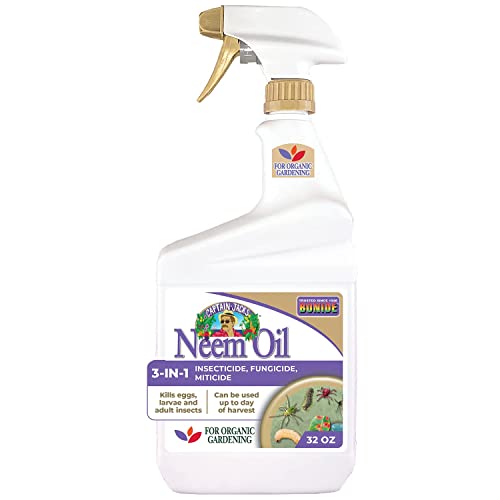 | Multi-Purpose Power | Form: Ready‑to‑use spray | Organic‑compatible: Organic gardening | Target Pests (Thrips Included): Mites, flies, thrips, mildew, broad‑spectrum | CHECK ON AMAZON | Read Our Analysis |
| Bonide 32oz Insecticidal Soap Ready-to-Use Spray | 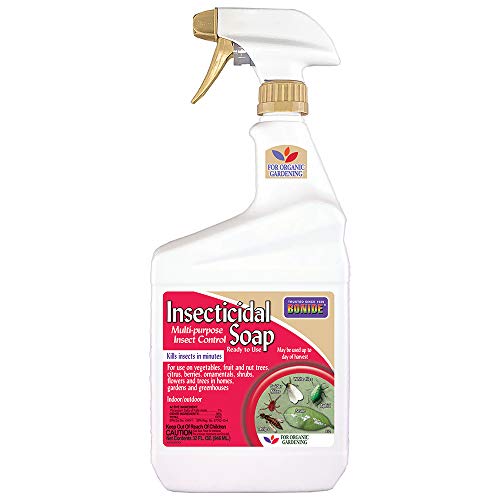 | Best Value | Form: Ready‑to‑use spray | Organic‑compatible: Organic gardening | Target Pests (Thrips Included): Aphids, thrips, spider mites, other insects | CHECK ON AMAZON | Read Our Analysis |
| Earth’s Ally 3-in-1 Organic Plant Spray 24 oz | 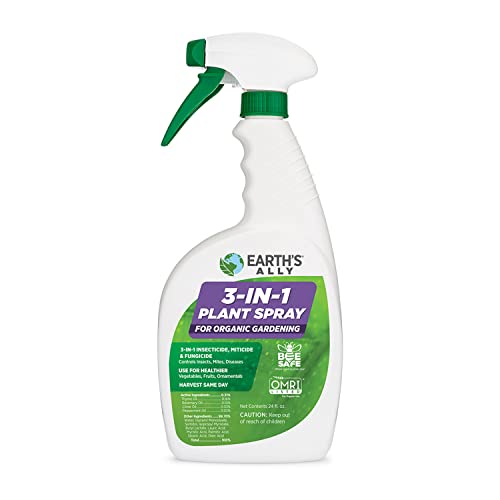 | Eco-Friendly Choice | Form: Ready‑to‑use spray | Organic‑compatible: OMRI‑Listed organic | Target Pests (Thrips Included): Spider mites, aphids, whiteflies, mealybugs, leaf rollers, scale, thrips | CHECK ON AMAZON | Read Our Analysis |
| Sevin 100547234 Insect Killer Ready to use 1 Gallon White Label |  | Professional Grade | Form: Ready‑to‑use spray | Organic‑compatible: Not organic‑certified | Target Pests (Thrips Included): Ants, hornworms, stink bugs, Japanese beetles, aphids, Colorado potato beetles, whiteflies, cabbage loopers, thrips | CHECK ON AMAZON | Read Our Analysis |
| BioAdvanced Organics Brand Tomato Vegetable & Fruit Ready-to-Use 24 oz |  | Best for Edibles | Form: Ready‑to‑use spray | Organic‑compatible: OMRI‑Listed organic | Target Pests (Thrips Included): Aphids, caterpillars, mealybugs, spider mites, thrips, powdery mildew | CHECK ON AMAZON | Read Our Analysis |
| Safer 5118-6 Insecticidal Soap Concentrate OMRI Organic Use | 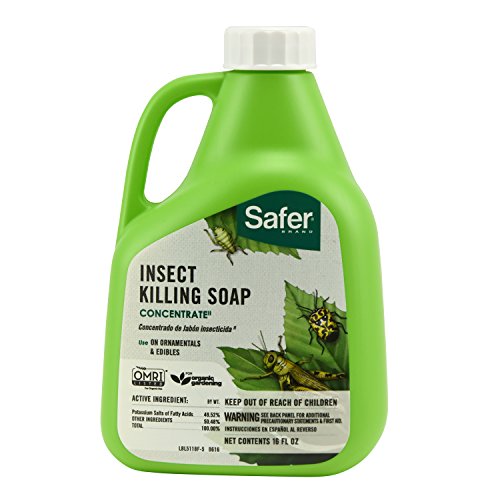 | Safe for Beneficials | Form: Concentrate (mix‑to‑use) | Organic‑compatible: OMRI‑Listed organic | Target Pests (Thrips Included): Aphids, whiteflies, thrips, spider mites, mealybugs, leafhoppers, psyllids, squash bugs, earwigs, grasshoppers, harlequin bugs, soft scales | CHECK ON AMAZON | Read Our Analysis |
| Mighty Mint Peppermint Plant Protection Spray,16 oz) |  | Natural Alternative | Form: Ready‑to‑use spray | Organic‑compatible: Plant‑based (organic‑style) | Target Pests (Thrips Included): Gnats, spider mites, aphids, thrips | CHECK ON AMAZON | Read Our Analysis |
| Spectracide Triazicide Insect Killer Concentrate 32 fl oz |  | Fast-Acting | Form: Concentrate (hose‑end) | Organic‑compatible: Not organic‑certified | Target Pests (Thrips Included): Grubs, ants, fleas, deer ticks, Japanese beetles, thrips (included in broad spectrum) | CHECK ON AMAZON | Read Our Analysis |
| Monterey Garden Insect Spray – Organic Ready-to-Spray 1 Pint |  | Organic Specialist | Form: Concentrate (mix‑to‑use) | Organic‑compatible: OMRI‑Listed organic | Target Pests (Thrips Included): Caterpillars, leaf miners, loopers, thrips, moths, fruit flies, borers, flea beetles | CHECK ON AMAZON | Read Our Analysis |
More Details on Our Top Picks
Garden Safe Insecticidal Soap – 32 oz Organic Bug Killer
Garden Safe’s 32‑oz insecticidal soap is the top pick for organic growers who need a fast, contact‑only solution against thrips and a broad range of other soft‑bodied pests. You’ll spray it straight from the bottle—no mixing required—on vegetables, fruit trees, ornamentals, shrubs, and flowers, indoors or outdoors, even in greenhouses. Cover every leaf surface, especially undersides, because the soap kills bugs on contact. It works against aphids, mealybugs, mites, leafhoppers, psyllids, scale, whiteflies, and more. The fatty‑acid‑salt formula is safe for edible crops up to harvest day, giving you a quick, organic pest knock‑out without residue concerns.
- Form:Ready‑to‑use spray
- Organic‑compatible:Organic gardening
- Target Pests (Thrips Included):Aphids, mealybugs, mites, leafhoppers, psyllids, scale, thrips, whiteflies
- Application Timing:Up to day of harvest
- Application Method:Direct spray on foliage (including undersides)
- Active Ingredient Type:Fatty‑acid salts (soap)
- Additional Feature:No‑mix ready‑to‑use
- Additional Feature:Harvest‑day application allowed
- Additional Feature:Fatty‑acid soap base
Bonide Captain Jack’s Neem Oil 32 oz Ready-to-Use Spray
Looking for a versatile, ready‑to‑use spray that tackles thrips, mites, and fungal issues in one go? Bonide Captain Jack’s Neem Oil delivers a three‑in‑one formula that works as an insecticide, miticide, and fungicide. You can spray it directly onto roses, vegetables, herbs, indoor plants, trees, and shrubs without mixing anything. The ready‑to‑use bottle saves time, and the nozzle lets you cover foliage evenly up to harvest day. It kills eggs, larvae, and adults while preventing fungal attacks. Derived from neem seed, it’s approved for organic gardening and offers broad‑spectrum protection across seasons.
- Form:Ready‑to‑use spray
- Organic‑compatible:Organic gardening
- Target Pests (Thrips Included):Mites, flies, thrips, mildew, broad‑spectrum
- Application Timing:Up to day of harvest
- Application Method:Spray nozzle, ready‑to‑use
- Active Ingredient Type:Neem oil (botanical)
- Additional Feature:Three‑in‑one formulation
- Additional Feature:Dormant‑season protection
- Additional Feature:Derived from neem seed
Bonide 32oz Insecticidal Soap Ready-to-Use Spray
Who wants a hassle‑free, ready‑to‑spray solution that kills thrips and a host of other pests without compromising organic standards? Bonide’s 32‑oz Insecticidal Soap delivers exactly that. You spray it straight from the nozzle onto leaves, and the soap contacts and is ingested by insects, killing aphids, spider mites, caterpillars, and more. It’s approved for organic gardening, so you can use it on basil, lavender, cabbage, berries, lawns, and even greenhouse crops. The formula works indoors and outdoors, covering garden beds, turf, and ornamentals. Just follow the label for safe, effective application.
- Form:Ready‑to‑use spray
- Organic‑compatible:Organic gardening
- Target Pests (Thrips Included):Aphids, thrips, spider mites, other insects
- Application Timing:Up to day of harvest
- Application Method:Spray nozzle, ready‑to‑use
- Active Ingredient Type:Fatty‑acid salts (soap)
- Additional Feature:Wide‑range insect list
- Additional Feature:Indoor & outdoor suitability
- Additional Feature:Spray nozzle convenience
Earth’s Ally 3-in-1 Organic Plant Spray 24 oz
Need you’re looking for a ready‑to‑use, all‑natural spray that tackles both insects and fungal diseases, Earth’s Ally 3‑in‑1 Organic Plant Spray is the perfect match. Its botanical blend of thyme, rosemary, clove, and peppermint oils kills spider mites, aphids, whiteflies, mealybugs, leaf rollers, and scale while preventing powdery mildew, downy mildew, blight, canker, black spot, and leaf spot. The 24‑oz bottle works indoors and outdoors, is OMRI‑listed, and is safe for kids, pets, and pollinators. You’ll appreciate the spray‑and‑forget convenience, the multi‑purpose protection, and the peace of mind that comes from using a certified organic, environmentally friendly formula.
- Form:Ready‑to‑use spray
- Organic‑compatible:OMRI‑Listed organic
- Target Pests (Thrips Included):Spider mites, aphids, whiteflies, mealybugs, leaf rollers, scale, thrips
- Application Timing:Up to day of harvest
- Application Method:Spray nozzle, ready‑to‑use
- Active Ingredient Type:Botanical oils (thyme, rosemary, clove, peppermint)
- Additional Feature:Botanical oil blend
- Additional Feature:Bee‑safe certification
- Additional Feature:OMRI‑listed for organics
Sevin 100547234 Insect Killer Ready to use 1 Gallon White Label
If you’re battling a wide range of garden pests and want a hassle‑free solution, the Sevin 100547234 Ready‑to‑Use Insect Killer is the top pick. This 1‑gallon, ready‑to‑spray formula contains lambda‑cyhalothrin, killing over 700 insects on contact within minutes. You can safely treat vegetables, flowers, fruits, roses, trees, and shrubs without harming blooms or edibles. Hold the sprayer a foot away, coat foliage lightly, and avoid open blossoms to protect pollinators. Apply early or at the first sign of damage, wait 24 hours before watering, and let dust settle before re‑entering the area. The product weighs about 8.4 lb, is portable, and offers broad outdoor pest protection.
- Form:Ready‑to‑use spray
- Organic‑compatible:Not organic‑certified
- Target Pests (Thrips Included):Ants, hornworms, stink bugs, Japanese beetles, aphids, Colorado potato beetles, whiteflies, cabbage loopers, thrips
- Application Timing:Not day‑of‑harvest (follow label)
- Application Method:Adjustable nozzle, spray fan
- Active Ingredient Type:Lambda‑Cyhalothrin (synthetic pyrethroid)
- Additional Feature:Lambda‑Cyhalothrin active
- Additional Feature:700+ insect coverage
- Additional Feature:Adjustable narrow‑fan nozzle
BioAdvanced Organics Brand Tomato Vegetable & Fruit Ready-to-Use 24 oz
Looking for a single, ready‑to‑use spray that tackles aphids, caterpillars, mealybugs, spider mites and even powdery mildew on tomatoes, vegetables, and fruit trees? BioAdvanced Organics Brand Tomato, Vegetable & Fruit Ready‑to‑Use 24 oz delivers a 3‑in‑1 solution in one blue bottle. You’ll spray it directly on edibles, fruit trees, nut trees, citrus, berries, herbs and container plants. The OMRI‑listed formula kills insects on contact and cures powdery mildew, so you prevent damage without switching products. The 24‑oz bottle (model 800420D, UPC 840216200142) fits Amazon’s 30‑day return policy, and its Blue Bottle® branding promises reliable, organic protection.
- Form:Ready‑to‑use spray
- Organic‑compatible:OMRI‑Listed organic
- Target Pests (Thrips Included):Aphids, caterpillars, mealybugs, spider mites, thrips, powdery mildew
- Application Timing:Up to day of harvest
- Application Method:Spray nozzle, ready‑to‑use
- Active Ingredient Type:Botanical blend (organic)
- Additional Feature:Powdery‑mildew cure
- Additional Feature:Blue‑bottle branding
- Additional Feature:OMRI‑listed organic formula
Safer 5118-6 Insecticidal Soap Concentrate
OMRI Organic Use
Safer 5118‑6 insecticidal soap concentrate is the go‑to spray for anyone who wants an OMRI‑listed, organic‑approved solution that tackles thrips, aphids, whiteflies and a host of other pests without harming beneficial insects. You’ll mix the 16‑oz concentrate into about six gallons of water and spray directly on foliage whenever you first see damage, then repeat every five to seven days while pests linger. The potassium‑based fatty acidsacid dissolveate outer cuticle, dehydrating and killing on contact. It works on flowers, herbs, vegetables, houseplants, trees and shrubs, and stays effective up to harvest. Avoid peak heat; the formula breaks down in a week, making it safe and biodegradable.
- Form:Concentrate (mix‑to‑use)
- Organic‑compatible:OMRI‑Listed organic
- Target Pests (Thrips Included):Aphids, whiteflies, thrips, spider mites, mealybugs, leafhoppers, psyllids, squash bugs, earwigs, grasshoppers, harlequin bugs, soft scales
- Application Timing:Up to day of harvest
- Application Method:Dilute concentrate, spray throughout season
- Active Ingredient Type:Potassium salts of fatty acids (soap)
- Additional Feature:16 oz concentrate yields 6 gal
- Additional Feature:Potassium‑fatty‑acid action
- Additional Feature:Heat‑sensitive application
Mighty Mint Peppermint Plant Protection Spray,16 oz)
Mighty Mint Peppermint Plant Protection Spray,16 oz, is the go‑to solution for anyone who wants a natural, plant‑based shield against gnats, spider mites, aphids and fungal problems in both indoor and outdoor gardens. You’ll appreciate its peppermint‑oil formula that deters pests while supporting healthier growth. The ready‑to‑use spray delivers even coverage with minimal mess, so you can treat houseplants, garden beds, or greenhouse rows in seconds. It’s safe for people and pets when used as directed and works on a wide range of species. By avoiding harsh chemicals, it maintains vibrant foliage and reduces fungal issues without compromising safety.
- Form:Ready‑to‑use spray
- Organic‑compatible:Plant‑based (organic‑style)
- Target Pests (Thrips Included):Gnats, spider mites, aphids, thrips
- Application Timing:No specific harvest limit noted
- Application Method:Spray nozzle, ready‑to‑use
- Active Ingredient Type:Peppermint oil (essential oil)
- Additional Feature:Peppermint oil active
- Additional Feature:Plant‑based deterrent
- Additional Feature:Minimal mess cleanup
Spectracide Triazicide Insect Killer Concentrate 32 fl oz
Need you need a fast‑acting, hose‑end solution that tackles both soil‑borne and foliage pests in your garden, Spectracide Triazicide Insect Killer Concentrate is the go‑to choice. Its 32‑fl‑oz ready‑to‑spray formula mixes with water via the QuickFlip attachment, covering up to 16,000 sq ft. Within 24 hours it kills more than 260 insects—grubs, ants, fleas, deer ticks, Japanese beetles—by contact above and below ground. You can treat lawns, vegetables, fruit trees, roses, shrubs, and other plants without staining most siding. The active ingredient, 0.08 % gamma‑cyhalothrin, delivers reliable control, and the product carries a 100‑percent guarantee.
- Form:Concentrate (hose‑end)
- Organic‑compatible:Not organic‑certified
- Target Pests (Thrips Included):Grubs, ants, fleas, deer ticks, Japanese beetles, thrips (included in broad spectrum)
- Application Timing:No specific harvest limit noted
- Application Method:Hose‑end sprayer or dilute concentrate
- Active Ingredient Type:Gamma‑Cyhalothrin (synthetic pyrethroid)
- Additional Feature:QuickFlip hose‑end sprayer
- Additional Feature:16 000 sq ft coverage
- Additional Feature:Non‑staining on siding
Monterey Garden Insect Spray – Organic Ready-to-Spray 1 Pint
If you’re looking for an organic, ready‑to‑spray solution that tackles thrips and a host of other foliage‑feeding pests, Monterey Garden Insect Spray 1 pint fits the bill. It’s OMRI‑listed and complies with USDA organic standards, so you can use it in certified gardens without breaking rules. The spinosad‑based formula derives from a soil bacterium and attacks insects on contact, covering caterpillars, leaf miners, loopers, moths, fruit flies, borers, flea beetles, and more. Just attach the bottle to your hose, mix with water as directed, and spray on apples, basil, broccoli, strawberries, peas, or any edible or ornamental plant you grow.
- Form:Concentrate (mix‑to‑use)
- Organic‑compatible:OMRI‑Listed organic
- Target Pests (Thrips Included):Caterpillars, leaf miners, loopers, thrips, moths, fruit flies, borers, flea beetles
- Application Timing:No specific harvest limit noted
- Application Method:Dilute concentrate, hose‑end sprayer
- Active Ingredient Type:Spinosad (microbial‑derived)
- Additional Feature:Spinosad natural bacterium
- Additional Feature:Mix‑with‑water concentrate
- Additional Feature:USDA‑NOP organic compliance
Factors to Consider When Choosing Thrips Killer Sprays for Flower and Vegetable Gardens
When you pick a thrips spray, check its toxicity spectrum to protect beneficial insects while targeting the pest. Look for organic certification if you prefer a garden‑friendly product, and consider the pest’s lifecycle to time applications effectively. Finally, verify the spray’s plant compatibility range and how often you’ll need to apply it.
Spectrum Toxicity Spectrum
Where does the spectrum of a thrips spray matter most? You’ll notice it determines which pests you suppress and which allies you spare. Insecticidal soaps and horticultural oils stay narrow, wiping out soft‑bodied insects but missing hard‑bodied thrips stages. Pyrethroid sprays cast a wide net, delivering fast knockdown across many insects, yet they can decimate beneficial pollinators if you’re not careful. Botanical or OMRI‑listed blends often strike a middle ground, offering moderate broad‑spectrum activity while staying organic‑friendly, though their thrips efficacy varies by formulation. Systemic or translaminar products extend protection, reaching eggs, larvae, and hidden feeders, which contact‑only options can’t touch. Choose a spectrum that aligns with your garden’s pest profile and your desire to protect beneficial insects.
Organic Certification Status
Understanding the spectrum you’ve just evaluated, the next step is checking whether the spray holds organic certification. You’ll want a product that’s OMRI‑listed or carries an equivalent organic label, because that guarantees compliance with the National Organic Program and other regional standards. If a spray claims “organic‑compatible” without an OMRI listing, it may not be legally permitted for organic gardens in many areas, especially for edible crops. Look for explicit statements that the formula is safe for vegetables, fruits, and pollinators, and that it won’t leave prohibited residues on harvests. Certifications also signal that the product meets stricter safety criteria, giving you confidence that your garden stays truly organic while you control thrips.
Target Pest Lifecycle
Why bother with a spray that only hits adult thrips when eggs and larvae hide inside leaf tissue? You need a product that attacks every stage of the thrips lifecycle. Choose systemic formulas if you suspect larvae feeding inside tissues; contact sprays work when adults crawl on foliage. Insecticidal soaps and fatty‑acid sprays kill on contact, so coat undersides of leaves where eggs and young nymphs reside. Oils and plant‑derived miticides can suppress populations, but they often require repeat applications and careful timing to avoid phytotoxicity. Look for labels that specifically mention thrips, and check re‑entry and pre‑harvest intervals to keep your vegetables and flowers safe for harvest. Targeting eggs, larvae, and adults maximizes control and reduces rebound.
Application Timing Frequency
When you schedule thrips treatments, timing hinges on the product’s label, the plant’s growth stage, and harvest plans. First, read the label for spray intervals—some recommend every 5–7 days during an active outbreak, while others suggest applications only when thresholds are met. Next, check the day‑of‑harvest re‑entry rule; many formulas let you spray up to harvest, but a few require a pre‑harvest waiting period. Distinguish contact‑only from systemic products: contact sprays need thorough coverage of leaf undersides and often multiple repeats, whereas systemic options may last longer with fewer applications. Verify edibility status and any pre‑harvest intervals for vegetables and fruits. For multi‑season gardens, choose a formulation that offers dormant or cross‑season protection to reduce re‑application frequency.
Plant Compatibility Range
A good thrips spray must match the plants you grow, so start by checking the label for compatible flower, vegetable, fruit, and ornamental types—think roses, leafy greens, berries, and citrus. Verify that the product lists each of those categories; if it only mentions “vegetables,” you might miss a flower you’re treating. Look for edibles‑specific wording and note any “day‑of‑harvest” restrictions or wait periods before picking. Make sure the active ingredient targets thrips and also covers common co‑pests like aphids, mites, and whiteflies on the same foliage. If you garden organically, confirm an OMRI or equivalent certification. Finally, decide whether you prefer a ready‑to‑use spray or a concentrate that needs dilution, and check coverage guidance—direct contact versus systemic action—to match your foliar application style.
Residue Persistence Concerns
Ever wonder how long a thrips spray will linger on your garden? Residue persistence hinges on the chemical class you pick. Soaps and oils break down in days, often washing off after a few rain events, so they leave a short‑term film that’s safe for edible crops. Synthetic pyrethroids, however, can cling to foliage longer when warm, dry conditions prevail, pushing re‑application windows to 7–10 days or after rain. Oil‑based products may cause leaf burn under hot sun, which can shorten effective residue life but also risk phytotoxicity. Organic‑compliant sprays typically boast lower‑pre‑harvest intervals and quicker degradation, giving you tighter control over cumulative residue. Choose a formulation that matches your harvest schedule and climate to keep residue levels within safe limits.
Safety for Beneficials
So, which thrips spray lets you protect your crops without harming the pollinators and predators you rely on? Choose products that advertise selective action or carry an OMRI listing; these are formulated to spare beneficial insects while killing thrips. Look for contact‑kill or ingestion‑damaging ingredients that the label declares safe for bees and natural enemies when applied as directed. Target the spray to the underside of leaves, where thrips hide, to limit exposure to insects visiting blooms. Skip broad‑spectrum treatments during flowering or when pollinators are active. Finally, follow label‑recommended intervals and reapplication schedules to keep thrips under control yet preserve the beneficial community that supports your garden’s health.
Cost‑Effectiveness Evaluation
Considering budget while keeping your garden thriving? Compare cost per ounce or per bottle to gauge long‑term value; a gallon often beats 16‑32 oz containers on a per‑ounce basis. Look at coverage efficiency—concentrates that stretch a 32 oz bottle into hundreds of gallons slash cost per application. Check label allowances for harvest days; a spray you can use day‑of‑harvest reduces re‑applications and overall spend. Factor re‑entry safety and re‑application frequency—products needing retreat every 5–10 days increase seasonal costs. Finally, weigh organic certification; OMRI‑listed formulas may carry a premium but keep you compliant with organic standards. Balancing these factors lets you choose a thrips killer that protects plants without breaking the bank.
Frequently Asked Questions
How Often Should I Reapply Thrips Spray During a Growing Season?
You should reapply the thrips spray every 7‑10 days throughout the growing season, especially after heavy rain or irrigation, and whenever you notice new infestations or plant stress.
Can I Mix Different Thrips Sprays for Better Control?
You can mix sprays, but only if the labels say they’re compatible; otherwise you risk phytotoxicity. Test a small area first, wait 24 hours, then monitor for leaf burn or reduced efficacy.
What Temperature Range Is Safe for Using These Sprays?
You should apply the sprays when temperatures stay between 60 °F and 85 °F (15 °C–29 °C); avoid extreme heat or cold, as it reduces efficacy and can damage plants.
Do These Sprays Affect Pollinator Activity?
You’ll see reduced pollinator activity if you spray during bloom, because the chemicals can deter or harm bees and butterflies. Apply at dusk or early morning, and choose low‑toxicity options to protect them.
Are There Any Resistance Concerns With Repeated Use?
You should watch for resistance; repeated use can select for tolerant thrip populations, especially with single‑mode chemicals. Rotate modes, combine with cultural controls, and limit applications to preserve efficacy.