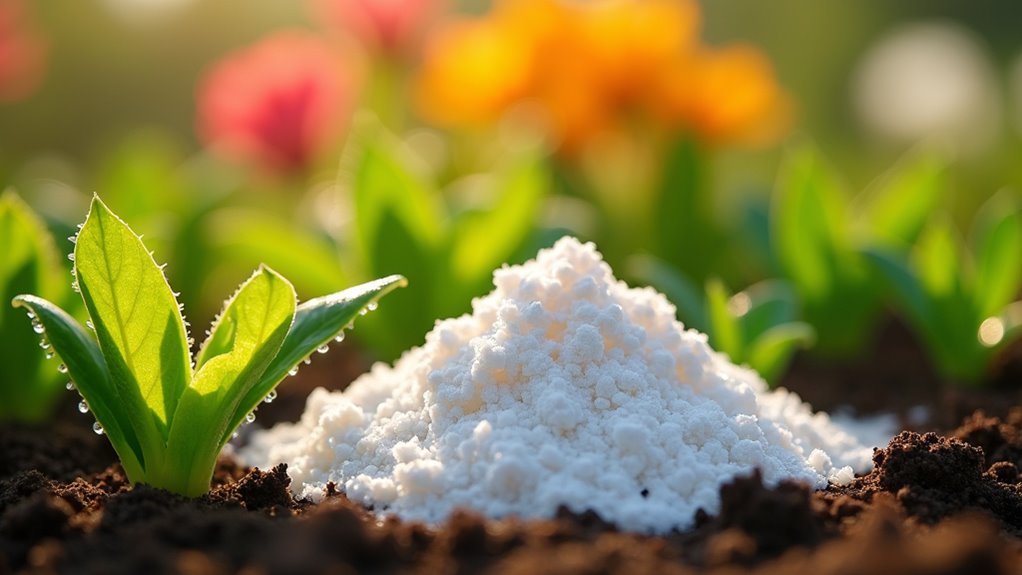
You can transform your garden into a pest-free zone using borax, a natural sodium borate compound that disrupts insects’ digestive systems while remaining safe around family and pets. Create effective baits by mixing one part borax with three parts powdered sugar for ants, or combine it with peanut butter for cockroaches. Place bait stations strategically along garden pathways and near plant beds, ensuring they’re secured in containers away from children and pets. Discover thorough application techniques below.
What Is Borax and How Does It Work Against Garden Pests
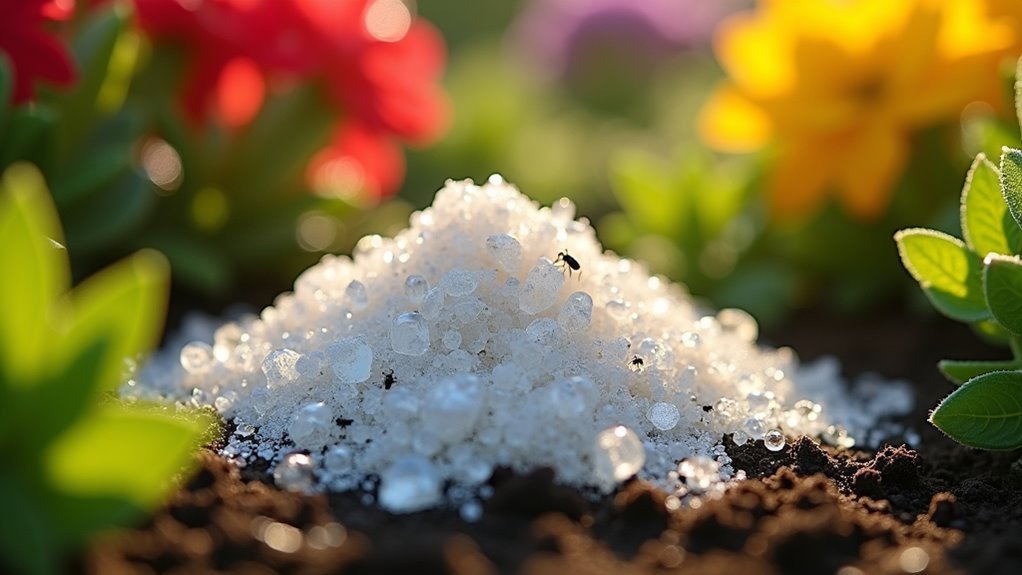
Borax stands as one of nature’s most effective weapons against garden pests, particularly those persistent ant colonies that can wreak havoc on your plants. This natural mineral, scientifically known as sodium borate, works by disrupting the digestive systems of ants when they consume it.
You’ll find its effectiveness lies in its slow-acting nature – worker ants don’t die immediately, allowing them to carry the poison back to their colonies and share it with other members, including the queen.
What makes Borax particularly appealing for pest control is its safety profile. You can use it around your family and pets without major concerns, making it a sensible choice for natural garden management that protects both your plants and loved ones.
Types of Garden Pests Effectively Controlled by Borax
Understanding how Borax disrupts pest digestive systems opens the door to exploring which specific garden invaders you can target with this versatile mineral.
Ants represent the most common target for borax pest control. When you mix borax with sugar, you’ll create an irresistible bait that eliminates entire colonies.
Sugar-borax combinations create powerful ant baits that target entire colonies, making this the most popular borax pest control method.
Cockroaches, another troublesome household pest, also succumb to borax’s digestive disruption effects.
You can effectively control certain beetles that damage your crops and plants.
Wood-boring insects like termites pose serious threats to garden structures, but borax acts as a protective wood preservative while eliminating these destructive pests.
The mineral’s low toxicity profile means you’re protecting your garden without endangering your family or pets during treatment applications.
Creating Homemade Borax Bait Recipes for Different Pests

Several simple recipes transform borax into powerful pest-control baits tailored to your specific garden invaders.
For ant problems, mix one part borax with three parts powdered sugar – the sugar attracts while borax disrupts their digestive systems.
Combat cockroaches by combining borax with peanut butter or honey as an enticing lure.
Create a general garden pest solution using two tablespoons of borax mixed with two cups of water for treating affected plants.
Target termites and wood-boring beetles with disodium octaborate tetrahydrate dissolved in water as a wood preservative.
Make sure you place all homemade borax bait in secure containers, keeping them away from children and pets while remaining safe to use and providing long-lasting protection against persistent garden pests.
Strategic Placement of Borax Bait Stations in Your Garden
While creating effective borax baits represents half the battle against garden pests, you’ll achieve maximum results only when you position these stations strategically throughout your outdoor space.
Place borax bait stations along garden pathways, near plant beds, and at entry points to intercept foraging ants before they reach your plants. Use small containers or plastic lids to contain the mixture and prevent spillage.
Position stations in shaded areas to prevent the bait from drying out too quickly, maintaining its attractiveness to pests. Monitor stations regularly and replace bait every few days for continued effectiveness.
Remember to follow safety guidelines by securing stations away from children and pets while maintaining your garden pest control program.
Borax Application Methods for Maximum Pest Control
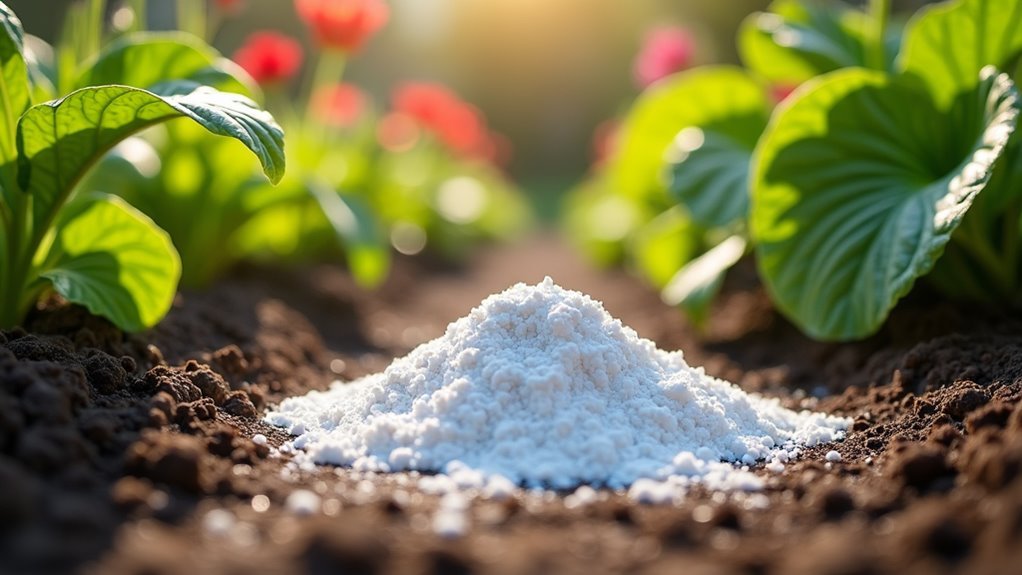
Beyond positioning your bait stations effectively, you’ll need to master the specific application methods that deliver maximum pest control results. Direct sprinkling works well along ant trails and entry points where pest activity’s concentrated. However, creating an effective bait mixture proves more strategic for long-term control.
| Application Method | Borax Ratio | Best Use Case | Safety Considerations |
|---|---|---|---|
| Direct Sprinkling | 100% Borax | Entry points, trails | Keep from children and pets |
| Sugar Bait Mixture | 1:3 Borax to sugar | Shallow dishes | Place in secure locations |
| Monitoring Stations | Varies by activity | High-traffic areas | Regular inspection needed |
| Reapplication Schedule | Fresh mixture | Moisture-prone zones | Weekly replacement recommended |
You’ll need regular reapplication since borax loses potency in moist environments, ensuring continued effectiveness against ants while maintaining safety around children and pets.
Timeline and Effectiveness: When to Expect Results
You’ll notice ants starting to die within 24 to 48 hours after consuming borax bait, though this delayed action is actually beneficial since it allows worker ants to carry the poison back to their colony.
For smaller infestations, you can expect significant reduction within a few days, but larger colonies typically require up to 10 days for complete elimination.
Your success timeline depends heavily on the ant species you’re targeting and the size of their established colony.
Expected Death Timeline
Most homeowners want to know exactly when they’ll see results after deploying borax against ant infestations. This slow-acting boric acid disrupts the ant’s digestive system, creating a delayed but devastating effect throughout the entire ant colony.
Here’s what you can expect:
- 24-48 hours: Individual ants show distress signs and begin dying as the boric acid affects their digestive systems.
- 3-5 days: Worker ants carry contaminated bait back to the colony, spreading the poison to other ants including the queen.
- 7-10 days: Complete colony elimination occurs, though larger infestations may take slightly longer.
You’ll notice individual ant deaths within days, but colony-wide elimination requires patience.
Consistent bait station monitoring and application speeds up results considerably, especially against stubborn infestations.
Colony Elimination Duration
While individual ant deaths occur within 24-48 hours, complete colony elimination requires a more extended timeline that depends on several critical factors.
You’ll typically see significant results within 10 days when using Borax effectively. The process works because worker ants eat the ant bait and carry it back to their nest, spreading the Borax throughout the colony.
Your success relies on the infestation size and ant species you’re targeting. Larger colonies naturally take longer to eliminate completely.
You’ll need consistency in your pest control approach—strategically place bait stations and monitor them regularly. Replace the ant bait as needed to maintain effectiveness.
You should expect gradual reduction rather than immediate colony elimination, as this slow-acting method guarantees thorough distribution throughout the entire ant population.
Safety Precautions for Using Borax Around Plants and Wildlife
When you’re using borax for pest control, you’ll need to take specific steps to protect both your plants and local wildlife from potential harm.
Start by applying borax in minimal amounts and using discrete bait stations to prevent direct contact with vegetation and animals.
You should also monitor application areas regularly to guarantee the compound doesn’t accumulate in soil or water sources that could damage your garden’s ecosystem.
Protecting Plant Health
Although borax offers effective pest control, you’ll need to exercise caution when applying it around your plants and local wildlife. Despite its low toxicity, excessive amounts can seriously disrupt plant growth by interfering with photosynthesis.
You must maintain proper application techniques to preserve your garden’s ecosystem.
Here are three essential protection strategies:
- Apply sparingly – Use minimal amounts to prevent interference with your plants’ photosynthetic processes.
- Avoid root zones – Keep borax applications away from plant root systems to minimize soil contamination.
- Protect beneficial insects – Apply during inactive periods and avoid areas where bees and other helpful species are present.
You should also maintain distance from water sources and guarantee proper ventilation during application.
Store borax securely away from children and pets for maximum safety.
Wildlife Safety Measures
Since wildlife forms the backbone of any healthy garden ecosystem, protecting local fauna requires specific precautions when using borax for pest control.
Though borax is a naturally occurring mineral with low acute toxicity, you’ll need to implement targeted wildlife safety measures. Keep borax applications away from flowering plants where beneficial insects feed, and apply only on dry days to prevent runoff into water sources that could harm aquatic wildlife.
Store borax in secure containers to protect pets and children from accidental ingestion. When applying, choose locations away from pet feeding areas and wildlife corridors.
These precautions help prevent accidental exposure while maintaining borax’s effectiveness against unwanted pests. Following proper application guidelines guarantees you’re protecting the beneficial creatures that support your garden’s natural balance.
Combining Borax With Other Natural Pest Control Methods
While borax works effectively on its own, you’ll achieve superior pest control results by combining it with complementary natural ingredients.
These strategic partnerships create multi-layered defense systems that target pests from different angles.
Here are three powerful borax combinations for enhanced pest control:
- Sugar-Borax Bait Enhancement – Mix borax with sugar or honey to create irresistible ant baits that increase consumption rates and colony elimination speed.
- Vinegar-Borax Trail Destroyer – Combine vinegar with borax to create a dual-action solution that erases pheromone trails while poisoning existing ant populations.
- Essential Oil-Borax Repellent – Blend borax with peppermint or cinnamon oils for a combination that repels new invaders while disrupting digestive systems of exposed pests.
These natural repellents work synergistically, creating hostile environments that pests can’t overcome.
Targeted Borax Solutions for Common Garden Ant Species
You’ll need specific strategies when targeting different ant species in your garden, as each responds differently to borax-based treatments.
Fire ants require a more aggressive approach due to their defensive nature and deep nesting habits, while carpenter ants need targeted placement since they’re drawn to protein sources rather than just sugary baits.
Understanding these species-specific behaviors will help you position your borax solutions more effectively and achieve faster colony elimination.
Fire Ant Control Methods
Fire ants pose one of the most aggressive threats to garden ecosystems, but borax-based baits can eliminate entire colonies when applied correctly.
You’ll need to mix borax with sugar since fire ants won’t consume plain borax alone. The sweet mixture attracts workers who carry the bait back to their nest, affecting the queen and destroying the entire colony within 10 days.
Strategic Fire Ant Control Steps:
- Create effective bait – Mix borax with sugar to attract fire ants while ensuring the slow-acting poison reaches the colony’s core.
- Position strategically – Place bait stations along ant trails, near nests, and around garden entry points for maximum exposure.
- Monitor consistently – Reapply borax bait regularly and track colony activity to maintain long-term pest control effectiveness.
Carpenter Ant Elimination
Although carpenter ants don’t sting like fire ants, they’re equally destructive to garden structures and can compromise wooden garden beds, fences, and storage areas.
Borax effectively targets carpenter ants by disrupting their digestive system when they consume the bait. Create an attractive solution by mixing borax with sugar or honey, which draws ants while delivering a slow-acting poison.
This delayed action is essential—worker ants carry the bait back to their colony, sharing it with the queen and other members.
Position bait stations near known carpenter ant trails and entry points around wooden garden structures for maximum impact. Monitor these stations regularly and replace the bait as needed.
The slow-acting nature of borax allows you to eliminate entire colonies rather than just individual ants.
Natural Alternatives to Borax for Eco-Friendly Pest Management
While borax proves effective against pests, several natural alternatives can protect your home without introducing synthetic chemicals into your living space.
These eco-friendly pest control methods disrupt ant behavior patterns while maintaining household safety.
Three Powerful Natural Alternatives:
- Peppermint oil – Disrupts scent trails and creates an inhospitable environment that forces ants to relocate elsewhere.
- Diatomaceous earth – This non-toxic powder dehydrates ants on contact, providing effective elimination without harsh chemicals.
- Cinnamon leaf oil – The strong aroma masks pheromone trails, preventing ants from maneuvering through treated areas.
You can also combine white vinegar with water to disrupt their communication pathways.
For immediate results, mix glass cleaner with liquid detergent to eliminate ants on contact while avoiding synthetic pesticides.
Professional Vs DIY Borax Applications for Large Infestations
When large ant infestations overwhelm your property, you’ll face an essential decision between professional pest control services and DIY borax treatments.
Professional services utilize specialized borax formulations that often outperform homemade mixtures for extensive infestations. They’ll conduct thorough inspections, implement targeted bait placement, and combine borax with additional methods for faster results.
DIY applications work well for smaller problems and cost less, but large infestations require consistent monitoring and reapplication. While you might wait up to 10 days for complete colony elimination with DIY methods, professionals can expedite the process considerably.
Most importantly, professional services handle safety precautions properly, ensuring borax application minimizes risks to children and pets—a vital consideration that DIY approaches sometimes overlook.
Frequently Asked Questions
What Bugs Does Borax Get Rid Of?
You’ll eliminate ants, cockroaches, termites, spiders, and mites with borax. It disrupts their digestive systems while also controlling mold and fungi. You’re getting versatile pest control that’s safer than harsh chemical alternatives.
Is It Safe to Use Borax in My Garden?
You can safely use borax in your garden when you follow proper precautions. It has low acute toxicity, but keep it away from children and pets to avoid potential developmental issues from exposure.
Why Is My Borax Not Killing Ants?
Your borax isn’t killing ants because you’re likely not mixing it with attractive food sources like sugar, placing it incorrectly, or you’re not waiting long enough for results.
Can I Sprinkle Borax on My Lawn?
You can sprinkle borax on your lawn for pest control, but you’ll need to mix it with sugar first to attract ants. Keep it away from pets and children since ingestion can cause health issues.
In Summary
You’ve now equipped yourself with extensive borax pest control strategies that’ll transform your garden into a pest-free sanctuary. By implementing targeted bait recipes, strategic placement techniques, and combining borax with complementary natural methods, you’re prepared to tackle any garden invasion. Remember to prioritize safety while applying these solutions, and don’t hesitate to explore eco-friendly alternatives when appropriate. Your garden’s health depends on consistent, informed pest management decisions.

Leave a Reply