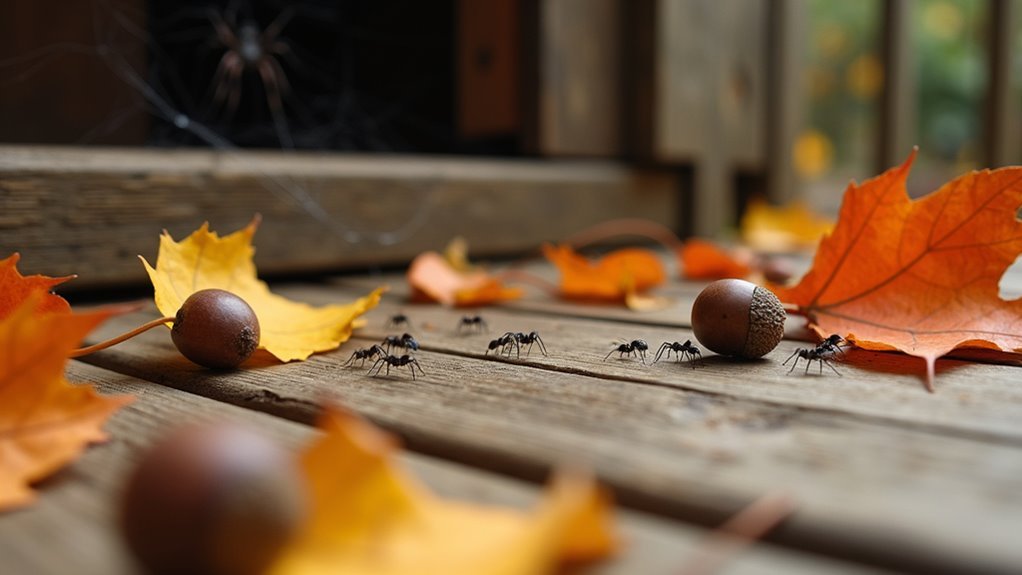
Five major fall pests threaten your home’s protection: cluster flies that invade attics by the hundreds, brown marmorated stink bugs releasing foul odors, Asian lady beetles causing unsightly stains, mice and rats exploiting small openings for rapid infestations, and spiders laying up to 100 eggs indoors. These pests become more active as temperatures drop, desperately seeking warmth, food, and shelter inside your home. Understanding their entry points and early warning signs helps you take preventive action before costly damage occurs.
Common Fall Invaders That Target Your Home
When temperatures drop and daylight hours shorten, unwanted pests begin their urgent search for warm shelter—and your home becomes their prime target.
Common fall pests like cluster flies swarm into attics by the hundreds, while brown marmorated stink bugs release foul odors when disturbed.
Hundreds of cluster flies invade attics while stink bugs emit nauseating odors throughout homes during fall infestations.
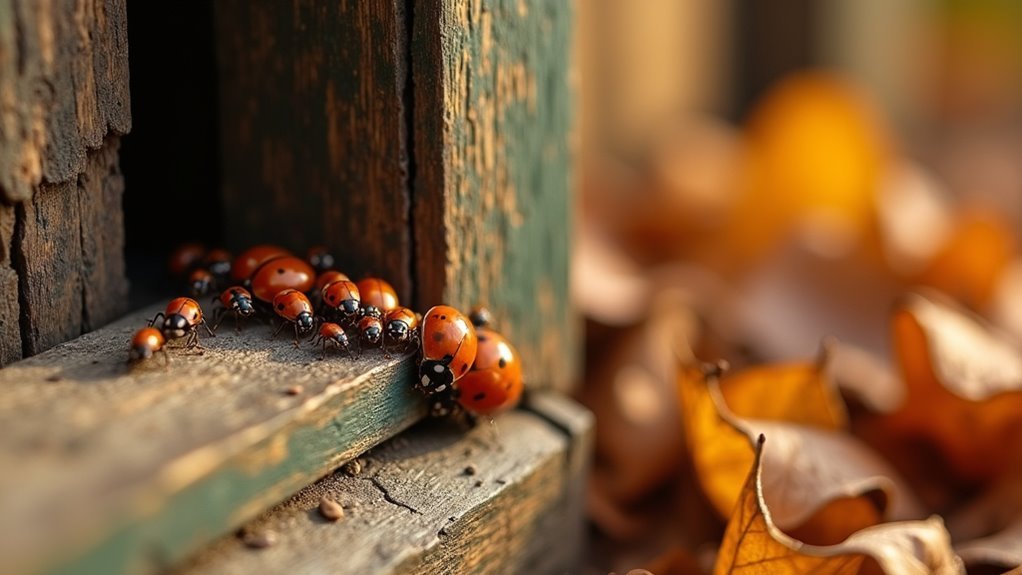
Asian lady beetles gather in large numbers, leaving unsightly stains throughout your living spaces.
Mice and rats squeeze through surprisingly small openings, creating rapid infestations as they seek food and warmth.
Spiders become increasingly active during mating season, with females laying up to 100 eggs indoors.
To prevent pests effectively, keep your home clean and seal entry points.
Professional pest control services can greatly reduce the risk of these autumn invaders establishing themselves in your property.
Why Pests Become More Active During Autumn Months
As autumn temperatures begin their steady decline, you’ll notice pests becoming increasingly desperate to find warm shelter inside your home.
The cooler weather also eliminates many of their outdoor food sources, forcing insects and rodents to search for sustenance in your kitchen, pantry, and storage areas.
These combined pressures create the perfect storm that drives fall pests to become more active and aggressive in their attempts to invade your living space.
Temperature Drops Drive Shelter-Seeking
While summer’s warmth keeps most pests content in their outdoor habitats, autumn’s temperature drops trigger a massive migration toward the cozy confines of your home. As thermostats plummet, creatures like mice, spiders, stink bugs, and cluster flies desperately search for shelter that’ll protect them from harsh winter conditions. Your heated house becomes an irresistible beacon, offering the warmth and safety they can’t find outdoors.
This shelter-seeking behavior intensifies as temperatures continue falling. Ants and cockroaches grow increasingly desperate, while wasps become more aggressive in their search for overwintering sites.
Each pest targets different entry points—cracks around windows, gaps under doors, or openings near utility lines. Effective prevention starts with identifying and sealing these vulnerable spots before the invasion begins, protecting your home from unwanted winter guests.
Food Sources Become Scarce
Though warmth drives pests indoors, hunger makes them desperate. As autumn arrives, natural food sources outside become increasingly scarce, forcing common pests to venture into your home for sustenance.
You’ll notice rodents like mice and rats aggressively searching for food while they seek warmth simultaneously. Ants create persistent trails directly to your kitchen and pantry, where they can easily access stored goods.
Even insects such as stink bugs and cluster flies become more visible as they hunt for both food and overwintering spots. This decline in outdoor food availability makes pests more determined and bold in their invasion attempts.
Understanding this behavior is essential for effective pest prevention, as addressing food access points becomes vital during fall months.
Entry Points Pests Use to Access Your Property
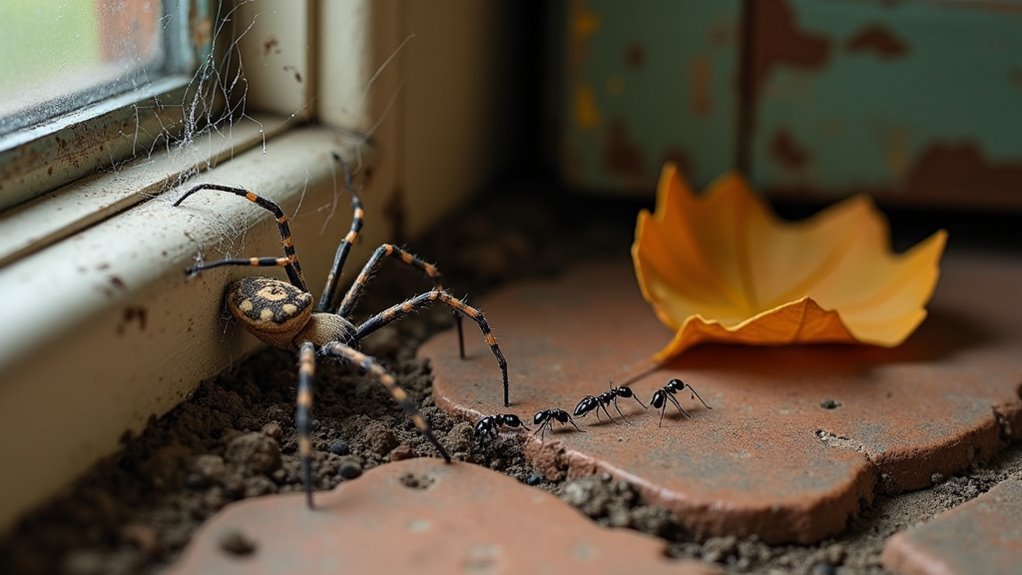
Understanding where pests gain access to your home becomes essential when you’re preparing your fall defense strategy.
You’ll find that sealing cracks around doors, windows, and foundations effectively blocks common entry points where pests typically infiltrate. Don’t overlook utility line openings where cables and pipes enter—these often-missed areas serve as major access routes.
Your unscreened vents and chimneys provide ideal pathways for rodents and insects seeking shelter. Installing proper ventilation covers will prevent their entry.
The space beneath exterior doors allows easy pest access, so you should install door sweeps and weatherstripping immediately.
Regular inspection and maintenance of window screens helps prevent cluster flies and wasps from entering during fall.
Consider contacting a professional pest control service for thorough sealing recommendations.
Identifying Early Warning Signs of Fall Pest Activity
You’ll need to stay alert for several telltale signs that pests have invaded your home this fall.
Your eyes, ears, and nose can all help detect unwanted visitors before they establish major infestations.
Let’s examine the visual evidence, sounds, and odors that signal it’s time to take action against fall pests.
Visual Pest Evidence
When fall arrives and temperatures drop, pests don’t simply announce their presence—they leave behind telltale signs that reveal their unwelcome activity throughout your home.
You’ll discover pest droppings as the most obvious evidence—small black pellets indicate mice, while elongated droppings signal cockroaches. Look for gnaw marks on walls, furniture, and food packaging that reveal rodent activity requiring immediate control measures.
Check hidden areas like attics and basements for nesting materials such as shredded paper or fabric, which indicate mice or wasp presence.
Listen for unusual sounds including scratching or scurrying noises within walls and ceilings. Don’t ignore any foul odor, particularly musty smells from dead pests or accumulated droppings, as these warn of serious infestations demanding urgent attention.
Auditory Infestation Clues
How can you detect pest invasions before they become visible problems? Your ears provide valuable auditory infestation clues that reveal hidden activity.
Listen for scratching, scurrying, or squeaking sounds in walls, ceilings, or attics—these noises typically indicate rodents seeking shelter as temperatures drop.
Rustling in dark corners or basements suggests spiders or insects moving during fall mating season.
Buzzing within wall cavities may signal wasps building nests near potential entry points.
Pay attention to clicking or rustling sounds when disturbed areas produce distinctive cockroach activity.
Monitor areas near food sources carefully, as persistent movement or rustling indicates ant trails infiltrating your pantry or kitchen.
These early warning sounds help you implement effective pest management strategies before infestations become severe visible problems requiring extensive treatment.
Odor Detection Methods
While sounds provide initial clues about pest activity, your sense of smell offers another powerful detection method for identifying fall infestations. Effective odor detection methods can help you catch problems before they escalate into major issues.
Key odor warning signs to monitor:
- Foul or musty odor in hidden areas – Check attics and basements regularly, as rodents and cockroaches emit distinctive smells when nesting.
- Sharp, pungent scents – Stink bugs release characteristic odors when crushed or threatened, signaling their indoor presence.
- Cluster fly mustiness – Large gatherings of these pests produce noticeable smells requiring immediate inspection.
- Persistent unidentifiable odors – Contact pest control professionals when you can’t locate the source of ongoing strange smells.
Essential Home Sealing Techniques for Pest Prevention
As temperatures drop and pests seek warm shelter, your home’s vulnerable entry points become highways for unwanted invaders.
You’ll need to seal gaps around doors and windows using weatherstripping or caulk to keep mice and ants from infiltrating your living space. Install door sweeps at exterior door bottoms to block crawling insects and rodents.
Address foundation and wall cracks with mortar or expanding foam to deter overwintering stink bugs and boxelder bugs. Seal utility line entry points with steel wool or silicone caulk, as these represent common access routes.
Don’t forget to maintain your window screens and vent covers, ensuring they’re intact without holes that flying pests like cluster flies and wasps could exploit for food sources and shelter.
Natural Deterrent Methods to Keep Pests Away

Beyond physical barriers, you can harness nature’s own pest-repelling arsenal to create an inhospitable environment for fall invaders.
These natural deterrent methods effectively keep pests away without harsh chemicals.
- Essential Oil Spray – Mix peppermint or tea tree oil with water and spray around entry points. The strong scents repel spiders and ants naturally.
- Diatomaceous Earth Application – Sprinkle this fossilized algae powder in pest travel areas to dehydrate cockroaches and ants on contact.
- Citrus Peel Placement – Position orange and lemon peels near windows and doors, as insects avoid citrus scents.
- Vinegar Solution – Create equal parts vinegar and water spray to clean surfaces while deterring various pests.
Additionally, store food in airtight containers and inspect your home for cracks regularly.
Professional Treatment Options for Severe Infestations
When natural deterrents and DIY methods fail to control severe infestations, it’s time to call in professional exterminators who possess the expertise and advanced tools necessary for total elimination. Professional pest services offer extensive pest management through targeted treatments tailored to your specific infestation.
| Treatment Type | Target Pests | Technology Used |
|---|---|---|
| Baits & Sprays | Cockroaches, Ants | Chemical Applications |
| Heat Treatments | Stink Bugs, Beetles | Advanced Thermal Systems |
| Monitoring Systems | Rodents, Multiple Species | Smart Detection Technology |
| IPM Strategies | All Fall Pests | Integrated Approaches |
Experienced exterminators conduct thorough inspections and develop customized treatment plans. They’ll provide regular follow-up visits and maintenance schedules, ensuring long-term protection against future pest problems throughout fall and beyond.
Creating a Fall Pest Monitoring Schedule
While professional treatments provide powerful solutions for existing infestations, you’ll achieve the best long-term results by establishing a proactive monitoring system that catches pest problems before they spiral out of control.
Creating an effective fall monitoring schedule is essential for keeping your home pest-free throughout the season. Here’s your action plan:
- Conduct bi-weekly inspections of entry points around your home, focusing on cracks, gaps, and vulnerable areas where pests typically enter.
- Monitor common problem areas like kitchens, basements, and attics where cockroaches, mice, spiders, and cluster flies typically establish themselves.
- Schedule regular cleaning sessions that include thorough vacuuming to disturb pest habitats and eliminate food sources.
- Document all pest activity signs such as droppings, webs, or damage to track trends and measure your prevention strategy’s effectiveness.
Long-Term Prevention Strategies for Year-Round Protection
Although seasonal monitoring catches immediate threats, establishing extensive year-round prevention strategies transforms your home into a fortress that pests can’t penetrate.
Start by sealing every crack, gap, and hole in your foundation and walls—this creates the first line of defense. You’ll keep pests away by maintaining a spotless environment, storing food in airtight containers, and eliminating clutter where insects hide.
Schedule professional pest services quarterly to catch problems before they escalate.
During winter days, focus on exterior maintenance by trimming vegetation and managing yard waste that attracts unwanted visitors.
Implement thorough pest treatments before seasonal changes, creating protective barriers against common invaders seeking warm shelter.
These proactive measures guarantee continuous protection regardless of changing seasons.
Frequently Asked Questions
What’s the Worst Pest to Have in Your House?
You’ll find cockroaches are the worst pest because they trigger allergies, carry dangerous bacteria, and reproduce incredibly fast. Within weeks, you’re facing a massive infestation that’s difficult to control.
What Pest Is Most Damaging to a House?
Termites are the most damaging pest you’ll face in your house. They’ll silently consume wooden structures daily, causing billions in property damage annually and potentially compromising your home’s structural integrity if left untreated.
What Kind of Bugs Come Out in the Fall?
You’ll encounter stink bugs, cluster flies, Asian lady beetles, spiders, mice, and rats during fall. They’re all seeking warm shelter as temperatures drop, making your home an attractive target for these seasonal invaders.
Which of the Following Pests Is the Most Destructive?
Termites are the most destructive pests you’ll encounter. They’ll consume an entire foot of wood in just six months, causing thousands of dollars in structural damage that’s often undetected until it’s extensive.
In Summary
You’ve got the tools and knowledge to protect your home from fall pests. Don’t wait until you spot invaders—start sealing entry points and implementing prevention strategies now. Monitor your property regularly, use natural deterrents where possible, and call professionals when infestations get out of hand. With consistent effort and the right approach, you’ll keep your home pest-free throughout autumn and beyond. Take action today for lasting protection.


Leave a Reply