
You’ll achieve the most effective garden pest control by timing your treatments to match predictable seasonal cycles. Start winter preparations in January-February by applying dormant oils and removing debris. Monitor for aphids when temperatures reach 60°F in spring, then manage cucumber beetles and Japanese beetles during their peak summer activity. Use degree-day calculations to time plantings strategically, reducing pest damage by up to 60%. Master these monthly strategies to transform your garden’s health year-round.
Understanding Seasonal Pest Cycles and Garden Vulnerability Windows
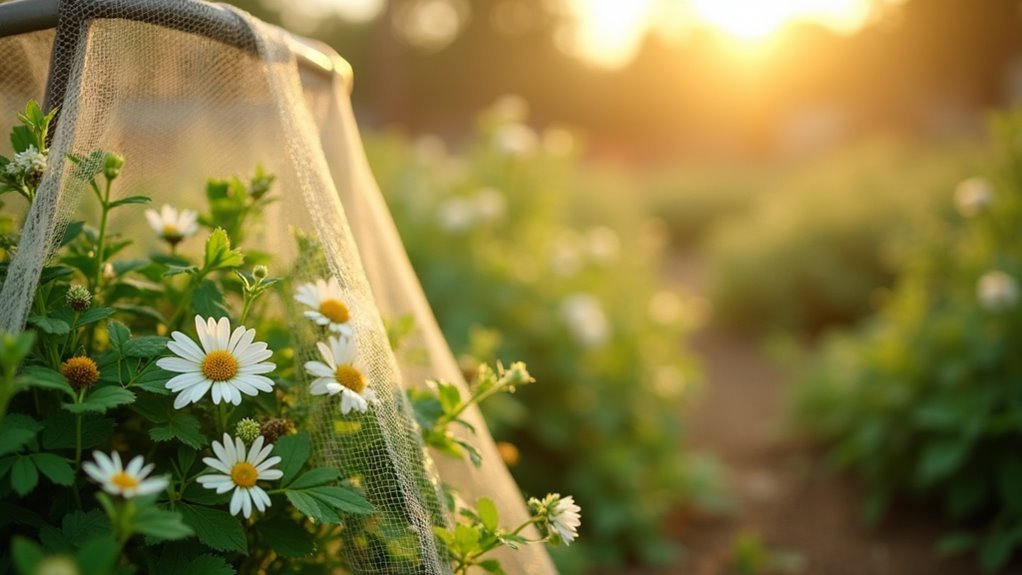
Since garden pests follow predictable seasonal patterns, you can greatly reduce crop damage by timing your planting and protection strategies around their life cycles.
Most garden pests like aphids emerge when temperatures hit 60°F in early spring, creating your first critical monitoring window.
Cucumber beetles peak during midsummer, so you’ll want to plant cucumbers early or late to avoid their destructive cycle.
Japanese beetles remain active for 6-8 weeks starting in June, requiring protective measures for vulnerable plants.
Strategic timing using degree-day calculations can slash pest problems considerably—delaying corn planting reduces earworm damage by 60%.
Understanding these cycles enables proactive pest control measures, reducing pesticide dependency while boosting yields.
January and February: Winter Pest Prevention and Garden Preparation
During January and February, you’ll find most garden pests in dormant stages, making this the perfect window to disrupt their life cycles before spring activity begins.
If you’re planting bare root trees during these months, you’ll want to inspect them carefully for hitchhiking pests and diseases that could establish themselves in your garden.
You should also quarantine any new indoor plants during this period, as they can harbor pests that’ll spread to your existing houseplants and eventually migrate outdoors.
Winter Pest Dormancy Patterns
While most garden pests retreat into dormancy throughout the coldest months, January and February present you with a strategic window to tackle prevention and preparation tasks that’ll set your garden up for success.
Understanding dormancy patterns will help you recognize when pests are most vulnerable and inactive. Many insects overwinter in soil, plant debris, or protected areas, making this the perfect time for intervention.
You can disrupt pest cycles by removing fallen leaves and garden debris where they’re hiding.
Clean your tools and containers with bleach solutions to eliminate disease-carrying organisms.
Test your soil health during these quiet months to identify nutrient deficiencies and pH imbalances.
These proactive measures create an inhospitable environment for pest populations before they emerge in spring.
Bare Root Tree Planting
Three key advantages make January the ideal month for planting bare root trees: dormant root systems won’t experience transplant shock, soil temperatures remain workable above 32°F, and you’ll establish strong root networks before spring’s growing season demands energy for leaf production.
Before planting, soak roots in water for several hours to rehydrate them. This simple step dramatically improves survival rates.
Once planted, apply a thick mulch layer around the base to retain moisture and prevent frost heaving during temperature fluctuations.
Don’t forget pest prevention during this vulnerable period. Monitor for pests like borers and scale insects that target dormant trees.
Apply insecticidal soap or dormant oil as preventative measures. These treatments work best when trees are leafless, making thorough coverage easier while protecting your investment from winter pest damage.
Indoor Plant Quarantine Protocols
Since winter forces most gardening activity indoors, you’ll need robust quarantine protocols to protect your existing houseplants from new arrivals that might harbor hidden pests.
Establish an indoor plant quarantine area at least 6 feet from your established plants for 1-2 weeks. Before bringing plants inside, blast them with a strong water stream to remove visible pests.
During quarantine, inspect for pests daily by checking for webbing, leaf damage, or other infestation signs. Maintain ideal conditions with temperatures between 65-75°F and humidity at 40-60%.
Clean leaves regularly and place yellow sticky traps nearby to catch flying insects. These preventive measures safeguard plant health while protecting your indoor garden from potential pest introductions during winter months.
March and April: Spring Emergence and Early Intervention Strategies
As March temperatures climb toward 60°F, you’ll notice the first stirrings of garden pest activity that signals the start of your spring intervention strategy.
Monitor closely for aphids and ants emerging from winter dormancy. Apply insecticidal soaps or oils immediately to control aphid populations before they establish on tender new growth.
Early aphid detection and immediate treatment with insecticidal soaps prevents these pests from colonizing vulnerable spring foliage.
By late March, inspect for spider mites thriving in warming conditions.
April demands focused pest management on fruit trees, particularly fire blight control through infected branch removal and targeted fungicide applications.
As soil temperatures rise, watch for leafhoppers and cucumber beetles threatening emerging crops. Your early intervention strategies should include protective barriers and organic controls.
These proactive measures during March and April prevent minor pest issues from becoming major infestations throughout the growing season.
May and June: Peak Growing Season Pest Management
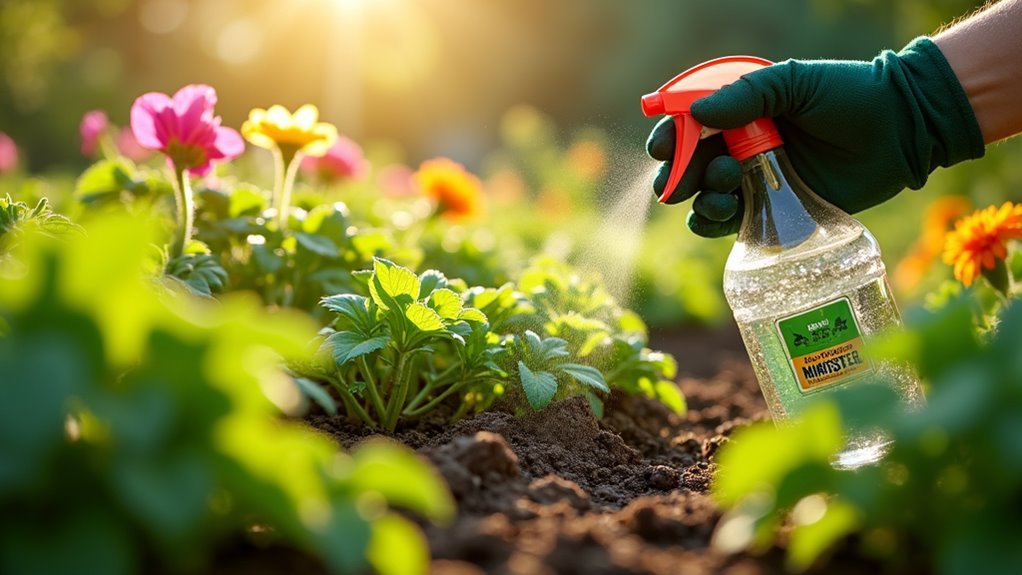
As May and June arrive, you’ll notice a surge in pest activity as warmer temperatures trigger the emergence of damaging insects like cucumber beetles, squash vine borers, and exploding spider mite populations.
Your citrus trees become prime targets for scale insects and aphids during this peak growing season, requiring vigilant monitoring to protect fruit production.
Strategic use of protective netting and row covers can serve as your first line of defense against these emerging threats while you implement broader pest management strategies.
Early Summer Pest Emergence
When temperatures climb during May and June, your garden enters its most vulnerable phase as multiple pest species emerge from winter dormancy and begin their rapid reproduction cycles.
You’ll need to monitor for aphid populations vigilantly, as these destructive insects can double every 7-10 days under ideal conditions.
Spider mites become especially problematic in hot, dry weather, thriving when soil moisture drops. Maintain adequate irrigation to discourage their establishment and apply insecticidal soap when necessary.
Cucumber beetles emerge in late May, carrying bacterial wilt that devastates susceptible plants. Use row covers and resistant varieties for protection.
Check plants weekly for pest damage including wilting, discoloration, or webbing. Early detection and prompt treatment prevent minor issues from becoming major infestations that can compromise your entire harvest.
Protective Netting Strategies
Beyond monitoring and chemical treatments, physical barriers offer you a reliable defense against the pest invasions that threaten your garden during May and June’s peak growing season.
Protective netting creates an effective shield against aphids and beetles while reducing your reliance on chemical interventions. Install row covers or insect netting immediately when seedlings emerge or transplants are established, before pests arrive.
You’ll need to secure the netting tightly to the ground, preventing pests from crawling underneath. The barrier still allows light and moisture to reach your plants, promoting healthy growth.
Remember to lift the covers periodically for pollination needs and regularly inspect for tears or damage. This proactive approach keeps beneficial insects accessible while blocking harmful ones.
July and August: Summer Heat Stress and Pest Population Control
Since summer’s intense heat creates the perfect storm for pest multiplication, July and August demand your most vigilant approach to garden management. During these months, aphids, spider mites, and cucumber beetles thrive in hot conditions, requiring proactive monitoring and control measures.
You’ll need to inspect plants regularly for signs of heat stress and pest damage, paying special attention to leaf undersides where pests often hide.
Water early in the morning to minimize heat stress while reducing fungal disease risks. Implement companion planting strategies to boost natural pest resistance – marigolds deter nematodes while basil combats aphids effectively.
Don’t forget mosquito control by eliminating standing water and encouraging natural predators like bats and birds in your garden ecosystem.
September and October: Fall Cleanup and Overwintering Pest Prevention

As autumn arrives, your garden enters a critical change phase where strategic fall cleanup and prevention measures determine next year’s pest pressure levels.
Remove fallen leaves and debris immediately, as these materials provide overwintering sites for aphids and spider mites. Apply a 2-inch mulch layer after cleanup to insulate soil and deter pests from establishing winter homes.
October’s your prime window for planting spring-blooming bulbs, which create natural pest deterrence when they emerge next season.
Inspect remaining plants thoroughly in late September, treating any infestations before winter dormancy begins. Use organic pest control methods like neem oil to protect plants while maintaining soil health.
These proactive steps considerably reduce overwintering pests and establish stronger garden defenses for spring.
November and December: Dormant Season Treatments and Planning
When winter’s dormant season arrives in November and December, you’ll shift your pest management strategy from active treatment to protective measures and strategic planning.
Protect sensitive plants from winter damage by applying fabric covers or mulch around roots and stems to prevent frost injury.
Shield vulnerable plants with fabric covers or mulch barriers around roots and stems to guard against damaging winter frost.
December’s perfect for conducting soil tests to assess nutrient levels and pH for next season’s amendments.
Inspect trees and shrubs, including nut trees, for pest and disease signs during dormancy when problems are easier to spot.
Apply dormant oil treatments in late November or December to control overwintering scale and aphids on woody plants.
Use this downtime to plan your garden layout and select pest-resistant varieties that’ll strengthen your garden’s defenses for the upcoming growing season.
Integrated Pest Management Tools and Natural Treatment Options
While chemical pesticides offer quick fixes, Integrated Pest Management (IPM) provides a smarter, more sustainable approach that’ll protect your garden’s long-term health. This strategy combines biological, cultural, physical, and chemical practices to minimize pest damage while reducing harmful pesticide reliance.
| Tool/Method | Purpose | Benefit |
|---|---|---|
| Yellow Sticky Traps | Monitor pest populations | Early detection prevents infestations |
| Companion Planting | Natural deterrent | Marigolds repel nematodes, basil combats whiteflies |
| Garlic-Based Sprays | Pest repellent | Chemical-free protection |
Regular plant inspections using magnifying glasses help you identify problems before they escalate. Natural treatment options like these companion planting strategies enhance biodiversity while effectively controlling pests. You’ll monitor pest populations more accurately through consistent observation, creating a healthier garden ecosystem that naturally resists harmful insects.
Monthly Inspection Schedules and Record Keeping Systems
Building on these IPM principles, you’ll need a systematic approach to track your garden’s health patterns throughout the year. Monthly inspection schedules should align with local pest life cycles and seasonal changes to effectively monitor emerging threats.
You’ll want to establish consistent dates for checking plant health, documenting pest activity, and recording weather conditions that influence insect behavior.
Effective record keeping systems are essential for long-term success. Use garden journals or apps to track pest sightings, treatment applications, and damage assessments.
Detailed garden journals and digital apps enable precise tracking of pest patterns, treatment effectiveness, and seasonal damage trends for optimal garden management.
Document which pest control methods work best for specific problems, noting application dates and success rates. Record companion planting strategies that prove effective against certain pests.
This systematic documentation helps you identify patterns, correlate environmental factors with outbreaks, and make informed decisions for future seasons.
Timing Treatments With Plant Life Cycles for Maximum Effectiveness
You’ll achieve maximum pest control effectiveness by synchronizing your treatments with both your plants’ growth stages and pest development cycles.
When you align applications with vulnerable plant periods—like treating for aphids just as new growth emerges in spring—you’ll target pests when they’re most active and your plants need protection most.
This coordinated timing approach lets you intervene at critical moments when pests are establishing themselves, preventing minor issues from becoming major infestations.
Plant Growth Stage Alignment
When you align your pest treatments with both plant development and insect life cycles, you’ll achieve maximum control while minimizing harm to beneficial organisms.
Understanding pest life cycles enables you to schedule treatments precisely—treating aphids when temperatures hit 60°F in early spring prevents major infestations. Use degree-day calculations for strategic pest management; squash vine borers emerge after 1000 degree-days, giving you timing advantages.
Plant cool-season crops like lettuce and spinach early, establishing them before pests activate and reducing chemical interventions.
Target specific life stages by applying insecticidal oils during egg-laying periods for maximum effectiveness. Implement staggered plantings to avoid simultaneous crop vulnerability, ensuring you can treat effectively without widespread damage during peak pest activity periods.
Pest Development Cycle Coordination
Strategic timing becomes your most powerful weapon against garden pests when you coordinate planting schedules with their predictable development cycles.
Understanding when pests emerge allows you to outmaneuver them through strategic scheduling.
Key Timing Strategies:
- Early spring plantings of lettuce, peas, and radishes establish before aphids become active at 60°F, ensuring healthier yields with minimal pest pressure.
- Delayed corn planting reduces earworm damage by up to 60% by avoiding critical egg-laying periods when you use degree-day calculations to time plantings.
- Fall scheduling of cool-season crops like broccoli and kale after summer pest populations decline minimizes infestations, with cabbage maggot rates dropping 70%.
Frequently Asked Questions
What Is the Gardening 3 Year Rule?
The gardening 3 year rule means you’ll wait three years for your newly established garden to reach full potential. You’ll focus on soil improvement first, then ecosystem balance, finally achieving natural pest resistance.
When Should I Spray My Vegetable Garden?
You should spray your vegetable garden in early spring around March or April, then monitor weekly during growing season and treat in late summer around August for ideal pest control.
What Is the Most Common Pest in the Garden?
Aphids are the most common garden pest you’ll encounter. They’re small, soft-bodied insects that feed on plant sap, causing stunted growth and leaf distortion while reproducing rapidly in colonies.
When to Plant Zone 8b?
You’ll plant cool-season crops like lettuce in February for early harvest. Start warm-season vegetables like tomatoes after mid-April when soil reaches 60°F. Plant fall crops in late August through early September.
In Summary
You’ll achieve the healthiest garden by staying ahead of pest cycles rather than reacting to infestations. Stick to your monthly inspection schedule, maintain detailed records of what you find, and time your treatments with your plants’ natural rhythms. Remember that consistency beats intensity—small, regular interventions throughout the year will save you from major pest battles. Trust the process, and you’ll develop an intuitive understanding of your garden’s unique seasonal patterns.



Leave a Reply