
You can protect your crawlspace from pests safely by using essential oil barriers with peppermint or lavender, sealing entry points with caulk and wire mesh, controlling moisture through dehumidifiers and vapor barriers, setting up secure live traps with pet-friendly baits, applying diatomaceous earth for insects, conducting regular inspections twice yearly, and utilizing professional IPM services that prioritize natural solutions. These methods eliminate harmful chemicals while effectively managing rodents and insects in your home’s foundation area, ensuring your pets stay safe throughout the process.
Natural Deterrents and Essential Oil Barriers

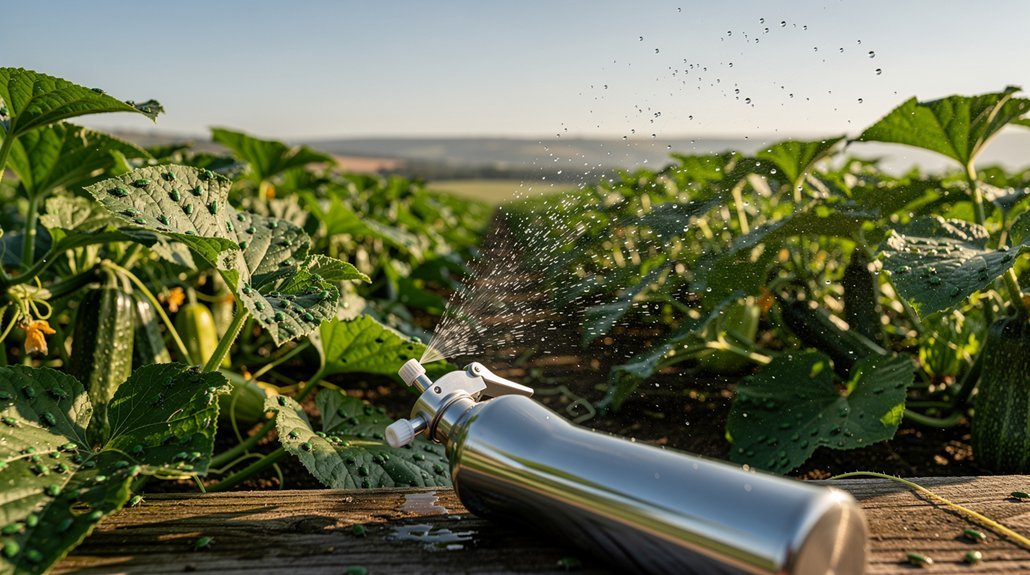
Several natural deterrents can effectively protect your crawl space from pests without putting your pets at risk. Essential oils like peppermint, lavender, and citrus create powerful barriers that repel insects and rodents through their strong scents.
Natural essential oils provide safe, pet-friendly pest control for crawl spaces through powerful scent barriers that effectively repel unwanted insects and rodents.
You’ll find these natural solutions completely safe for your pets while maintaining an effective defense system.
Mix water with essential oils and spray around your crawl space perimeter to establish a protective barrier. For additional protection, sprinkle diatomaceous earth throughout the area. This fossilized algae powder dehydrates insects on contact while remaining harmless to pets.
Consider garlic and cayenne pepper solutions as complementary pest control options. These natural deterrents help maintain a pest-free environment without toxic chemicals that could endanger your pets’ health.
Physical Exclusion Methods and Sealing Entry Points
While natural deterrents create an effective first line of defense, physical exclusion methods provide the most reliable long-term protection for your crawl space. These techniques permanently block entry points that pests use to access your home.
Start by sealing all gaps around pipes, cables, and vents using caulk or foam insulation. Install door sweeps and screens on vents to maintain airflow while keeping pests out. Cover openings with heavy-duty wire mesh to prevent rodents from entering crawl spaces.
Regular foundation inspections help you identify and repair cracks promptly. Maintain 18 inches of clearance between soil and wood structures to discourage pest habitation and enable easier monitoring.
This effective method creates lasting barriers essential for maintaining a pest-free home.
Moisture Control and Ventilation Strategies

You’ll find that controlling moisture in your home’s crawl spaces creates an environment where pests can’t thrive while keeping your pets completely safe from harmful chemicals.
Installing vapor barriers, strategically placing dehumidifiers, and maintaining proper ventilation systems work together to eliminate the humid conditions that attract termites, cockroaches, and other unwanted invaders.
These moisture management techniques don’t just prevent pest problems—they also protect your home’s structural integrity and improve your family’s overall indoor air quality.
Vapor Barrier Installation
A vapor barrier installation in your crawl space creates an effective defense against moisture-loving pests like termites and cockroaches by blocking ground moisture from entering the area.
You’ll need to cover the entire ground surface, overlapping seams by at least 12 inches and sealing them with waterproof tape for maximum effectiveness.
Professional installation guarantees proper sealing and addresses underlying moisture issues that contribute to pest problems.
You should maintain adequate ventilation alongside your vapor barrier to regulate humidity levels and minimize pest infestations.
Regular inspections help you identify damage or breaches that compromise effectiveness and elevate moisture levels.
This combination of moisture control represents one of the most reliable pet-safe pest control methods available.
Dehumidifier Placement Tips
Strategic dehumidifier placement transforms your crawl space into an inhospitable environment for moisture-dependent pests while keeping your pets completely safe from harmful chemicals.
Position dehumidifiers in the center of your crawl space to maximize air circulation and effectively reduce humidity throughout the area. You’ll want to elevate units on stable surfaces off the ground to prevent moisture absorption and guarantee proper drainage.
Maintain humidity levels between 30% and 50% to prevent pests from establishing themselves. Incorporate ventilation fans alongside dehumidifiers to enhance air movement and further reduce moisture accumulation.
This dual approach creates ideal conditions that naturally discourage pest infestations without using toxic substances that could harm your pets. Schedule regular maintenance checks to guarantee your dehumidifiers function efficiently and maintain consistent pest control results.
Ventilation System Maintenance
While dehumidifiers create the foundation for moisture control, maintaining your ventilation system guarantees long-term pest prevention without exposing your pets to dangerous chemicals.
Proper ventilation system maintenance forms the backbone of effective pet-safe pest control by eliminating conditions that attract unwanted invaders.
Essential maintenance tasks include:
- Check crawl space vents monthly – Remove debris, leaves, and obstructions that block airflow
- Conduct routine inspections of vapor barriers for tears or displacement that compromise moisture control
- Monitor humidity levels using hygrometers to confirm they stay below 60%
- Clean vent screens to maintain ideal air circulation throughout the space
- Schedule professional assessments annually to identify moisture issues before they escalate into pest infestations
This proactive approach prevents structural damage while keeping your pets safe from toxic treatments.
Pet-Safe Trapping Systems for Rodents

When you’re dealing with rodent issues, you’ll need trapping systems that effectively capture pests without endangering your furry family members.
You can choose between live traps for humane relocation or snap traps with pet-safe mechanisms, but proper placement away from your pets’ access areas is essential.
The right bait selection will maximize your trapping success while ensuring your pets won’t be attracted to potentially dangerous situations.
Live Trap Placement
Live traps offer pet owners a humane solution for managing rodent problems without introducing toxic chemicals or dangerous snap traps into their homes.
These pet-friendly solutions allow you to capture rodents safely while maintaining a pet-safe environment throughout your crawlspace.
For effective placement:
- Position traps along rodent pathways near walls and corners where animals naturally travel
- Secure traps firmly to prevent tipping when curious pets investigate
- Keep traps elevated or in areas inaccessible to your pets
- Bait the traps with peanut butter or sunflower seeds, making sure pets can’t reach the food
- Regularly check the traps to minimize stress on captured animals and maintain effectiveness
Proper placement guarantees successful rodent capture while keeping your furry family members completely safe from harm.
Snap Trap Safety
How can you use snap traps effectively while keeping your pets completely safe?
Snap trap safety begins with choosing models featuring protective barriers that prevent accidental pet triggering. You’ll want to place these traps in areas your pets can’t access, such as behind crawlspace barriers or inside secured bait stations.
Pet owners should use pet-friendly baits like peanut butter or sunflower seeds for effective pest control without risking their animals’ health.
Regular monitoring guarantees traps remain functional while preventing pet curiosity around captured rodents.
For successful pet-friendly pest control, you must educate yourself on proper placement techniques.
Safeguarding the safety of your furry companions while achieving reliable rodent control requires strategic positioning and consistent maintenance of your trapping system.
Bait Selection Tips
Beyond proper trap placement, selecting the right bait makes all the difference in creating an effective yet pet-safe rodent control system.
You’ll want to choose attractants that lure rodents without endangering your furry family members.
Essential bait selection guidelines:
- Use peanut butter as your go-to pet-safe option that’s irresistible to rodents but harmless if pets accidentally consume it
- Choose tamper-resistant bait stations with secure locking mechanisms to prevent pet access while maintaining effectiveness
- Avoid toxic baits entirely when pets are present, focusing on food-based attractants instead
- Position baits strategically in areas where pets can’t reach, such as behind appliances or inside crawlspace access points
- Monitor bait freshness regularly to guarantee maximum attractiveness and replace as needed for consistent results
These effective solutions prioritize humane capture while protecting your pets.
Non-Toxic Insect Management Solutions
When traditional pest sprays threaten your pet’s health, you can turn to proven non-toxic alternatives that effectively manage insects without compromising your furry family members’ safety.
Diatomaceous earth stands out as an exceptional choice for crawl space pest control, dehydrating insects naturally while remaining completely safe for pets. You’ll find natural repellents like essential oils effectively deter pests when applied correctly around your crawl space perimeter.
Implementing preventive measures proves equally important. Install physical barriers by sealing openings and consider crawl space encapsulation to block pest entry entirely.
Maintain low humidity levels using dehumidifiers to create an inhospitable environment for insects. Schedule routine inspections to monitor pest activity, allowing early intervention with these pet-safe methods before infestations escalate.
Regular Inspection and Maintenance Protocols
Since effective pest control extends beyond initial treatments, establishing consistent inspection and maintenance protocols guarantees your crawl space remains pest-free while protecting your pets from harmful chemical exposure.
Regular inspections help you identify problems early, reducing your reliance on pest control products that could endanger your furry companions.
- Conduct thorough inspections twice yearly to spot droppings, nests, or structural damage before infestations worsen.
- Focus on maintaining cleanliness by removing debris, clutter, and organic materials that attract unwanted visitors.
- Prioritize sealing openings around pipes, ducts, and vents to block pest entry points effectively.
- Monitor moisture levels consistently, keeping humidity below 60% with vapor barriers and dehumidifiers.
- Schedule professional inspections annually for expert assessment and pet-safe recommendations.
Professional Pet-Friendly Treatment Options
While DIY methods offer some protection, professional pest control services provide advanced pet-friendly solutions that you can’t achieve on your own.
These experts utilize Integrated Pest Management (IPM) strategies that minimize chemical use while effectively eliminating pests from your crawl space. You’ll find many companies offer pet-friendly treatment options featuring natural and organic products that are safe and effective for your home environment.
Professional technicians conduct thorough inspections and implement eco-friendly solutions like encapsulation techniques and vapor barrier installations.
These methods control moisture levels and deter pests without harmful chemicals. Additionally, trained professionals provide clear post-treatment safety guidelines, ensuring your pets remain protected throughout the entire process while achieving long-term pest management results.
Frequently Asked Questions
How Do I Get Rid of Bugs in My House Without Harming Pets?
You can use food-grade diatomaceous earth and water-vinegar sprays to eliminate bugs safely. Place pet-inaccessible traps, seal entry points, maintain cleanliness, and consult professionals specializing in pet-safe pest control methods.
Which Pest Control Is Safe for Pets?
You’ll want diatomaceous earth, natural insect sprays, peppermint oil, and citrus-based repellents. These won’t harm your pets while effectively controlling pests. Avoid chemical pesticides and always check labels for pet-safe certifications.
How to Bug Proof Crawl Space?
You’ll want to seal all gaps around pipes and wiring, install a vapor barrier to control moisture, maintain proper ventilation, inspect regularly for pest signs, and clear debris from around your crawl space.
How Long After Spraying Pesticides Is It Safe for Pets Indoors?
You should wait 24-48 hours after spraying pesticides before letting pets back indoors. Check the product label for specific re-entry times, guarantee proper ventilation, and consult your veterinarian for additional safety guidance.
In Summary
You’ve got seven proven methods to keep pests out of your crawlspace without risking your pet’s safety. Start with natural deterrents and seal entry points, then control moisture and set up safe traps. Don’t forget regular inspections and non-toxic treatments. If you’re dealing with stubborn infestations, professional pet-friendly services can handle what you can’t. Your crawlspace will stay pest-free while keeping your furry family members completely safe.