
You can protect your home from termites using seven proven DIY methods: establish liquid termiticide barriers around your foundation, install strategic bait stations targeting colony elimination, apply natural boric acid treatments to disrupt termite digestion, create cardboard monitoring traps for early detection, deploy beneficial nematodes for chemical-free biological control, use diatomaceous earth for physical pest elimination, and maintain proper moisture control with wood separation. These all-encompassing approaches target termites at every lifecycle stage, ensuring your property stays protected when you implement the complete strategy.
Establish Termiticide Barriers Around Your Foundation
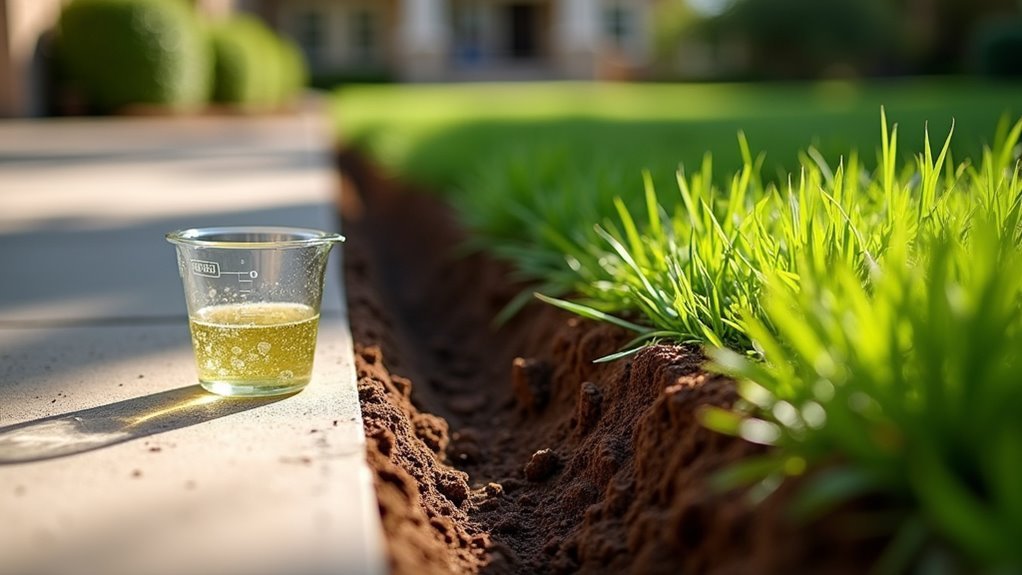
One of the most effective DIY termite treatments involves creating a liquid termiticide barrier around your home’s foundation.
Unlike termite baits, this control method creates an immediate protective zone that kills termites on contact while preventing entry into your structure. The chemical remains undetectable to termites, allowing them to unknowingly carry it back to their termite colonies, ultimately eliminating entire populations.
You’ll create long-lasting protection against costly termite damage when properly applied. However, you must follow label directions precisely to avoid gaps in coverage.
While this termite treatment ranks among the most reliable termite treatment methods available, consider consulting professional pest control services to guarantee ideal barrier effectiveness, especially when dealing with persistent subterranean termite infestations around your property.
Install Strategic Bait Stations for Colony Elimination
Strategic bait stations offer another powerful approach to eliminating termite colonies by targeting their feeding behavior and social structure.
Strategic bait stations eliminate entire termite colonies by exploiting their natural feeding patterns and social hierarchy structures.
This DIY termite treatment method allows you to control termite infestation at its source rather than simply creating barriers.
Here’s how to implement effective bait station placement:
- Position stations around your foundation perimeter where you’ve spotted mud tubes or wood damage signs.
- Use growth regulator baits that disrupt termite development and prevent new colony formation.
- Create homemade stations using cardboard treated with boric acid alongside commercial products.
- Monitor bait stations every two months to replace consumed bait and maintain active defense.
Termite bait stations work by attracting foraging workers who carry the poison back to their colony, eventually reaching the queen and eliminating the entire population.
Apply Boric Acid as a Natural Termite Deterrent
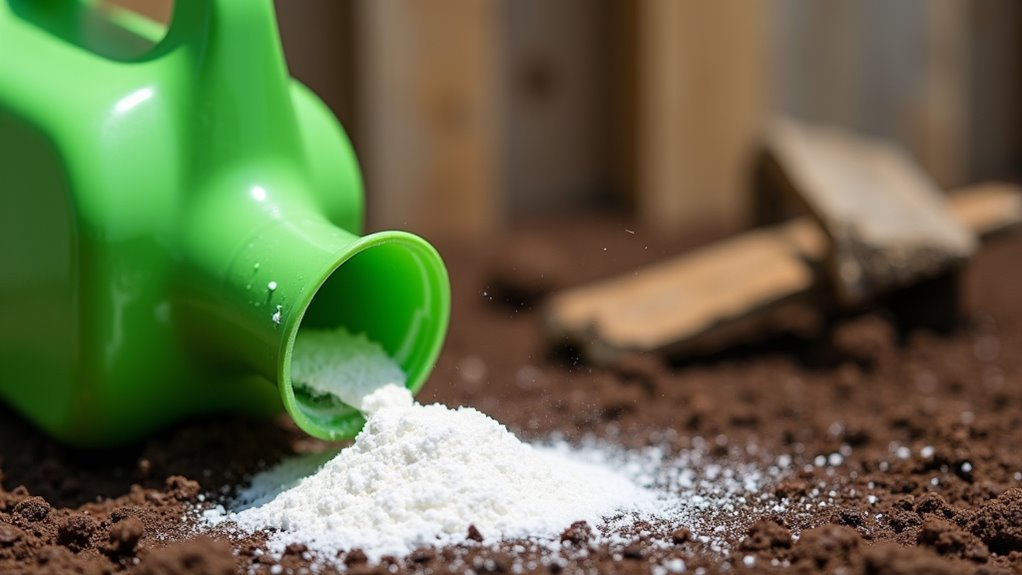
When you’re seeking a natural alternative to chemical pesticides, boric acid provides an effective solution that disrupts termites’ digestive systems and eliminates colonies over time. This natural method works by interfering with termites’ ability to digest food, causing death when they ingest it.
Mix one teaspoon of boric acid with a cup of water to create an effective homemade treatment. Spray or inject this solution directly into infested areas, focusing on wooden structures where termites feed.
You can use boric acid both indoors and outdoors, making it versatile for extensive termite treatments.
Always wear protective gear including masks, goggles, and gloves during application. Regular monitoring and reapplication will help prevent termites from establishing new colonies while maintaining long-term protection.
Create Cardboard Monitoring Traps for Early Detection
Early detection systems help you identify termite problems before they cause extensive property damage, and cardboard monitoring traps offer a simple yet effective surveillance method.
These traps leverage termites’ natural attraction to cellulose-based materials, making them perfect for surveillance purposes.
Here’s how to create effective cardboard monitoring traps:
- Stack and wet several cardboard pieces – The moisture attracts foraging termites seeking food sources.
- Place traps near your foundation under rocks – This positioning targets common termite entry points.
- Check every six months for termite activity – Look for damage or live insects feeding on the material.
- Burn infested cardboard immediately – This eliminates detected pests and prevents further infestation spread.
Regular trap monitoring helps you gauge termite presence and determine when aggressive treatment becomes necessary.
Deploy Beneficial Nematodes for Biological Control

While chemical treatments can harm beneficial insects and contaminate soil, beneficial nematodes offer a natural biological control method that targets termites without environmental damage.
These microscopic roundworms actively seek out and kill termites by entering their bodies, providing effective termite pest control without toxic chemicals.
These tiny biological warriors naturally penetrate termite bodies, delivering lethal control without harmful chemicals or environmental contamination.
Mix Steinernema or Heterorhabditis species into water and apply directly to infested areas.
Apply during evening hours or cloudy days since UV light kills nematodes. Keep soil consistently moist for one week post-application to maximize effectiveness.
Your termite problem may require regular applications, as nematodes’ effectiveness diminishes in dry conditions.
Combine this biological pest control with other management strategies for thorough protection.
Monitor treated areas consistently and reapply beneficial nematodes as needed for ideal results.
Use Diatomaceous Earth for Physical Pest Elimination
Another effective non-toxic approach involves using diatomaceous earth (DE), a powdery substance made from fossilized algae that eliminates termites through physical contact rather than biological warfare.
This physical pest elimination method works by penetrating termite exoskeletons with razor-sharp particles, causing dehydration and death.
For effective treatment around your house, follow these application steps:
- Apply thin layers in suspected termite activity areas like foundations and crawl spaces
- Use food-grade DE both indoors and outdoors safely
- Reapply after heavy rain or cleaning to maintain protection
- Combine with other strategies for thorough control
DE’s versatility makes it excellent for getting rid of termites while protecting against other pests simultaneously, creating protective barriers wherever applied.
Maintain Proper Moisture Control and Wood Separation
Since termites thrive in moist environments and need direct access to wood, you’ll greatly reduce infestation risks by controlling moisture levels and creating physical barriers around your home.
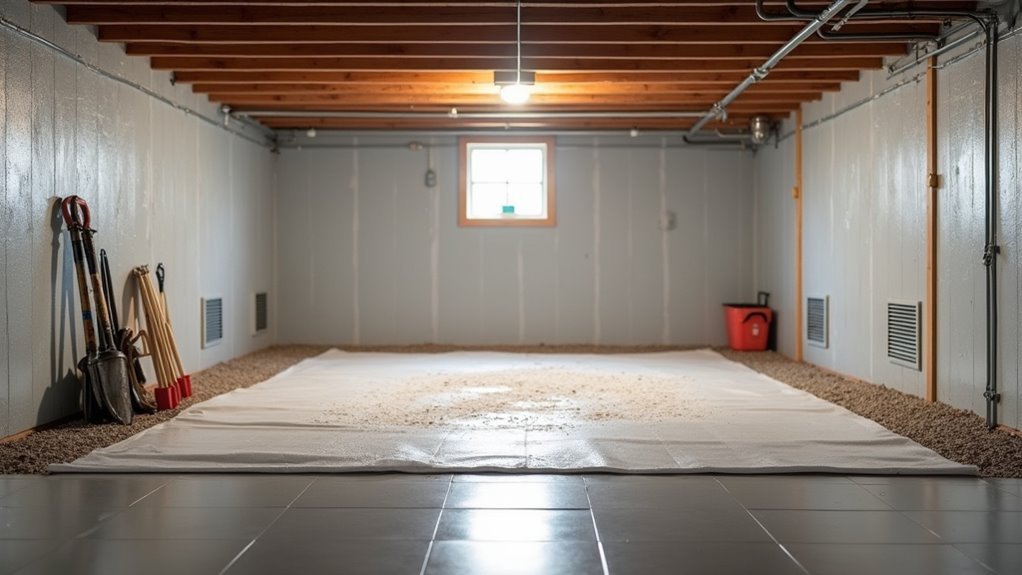
Effective moisture control starts with well-ventilated attics and basements to prevent condensation buildup. Keep wooden structures elevated at least 18 inches above soil level to minimize termite access to your home’s framework.
Proper ventilation and elevated wooden structures form the foundation of effective termite prevention in your home.
Install gravel beds around your foundation as a drainage barrier that channels water away while blocking termite infiltration.
Regularly inspect and seal foundation cracks to eliminate moisture accumulation points and potential entry routes. Position gutters and downspouts to direct water away from your foundation effectively.
These preventive measures create unfavorable conditions for termites while protecting your property’s structural integrity.
Frequently Asked Questions
Can I Treat My Home for Termites Myself?
You can treat your home for termites yourself using DIY bait stations, termiticide trenches, and natural solutions like nematodes. You’ll need consistent monitoring and proper water management for effective results.
What Is the Best DIY Termite Treatment?
You’ll find the Termicure system most effective, featuring in-ground bait stations with Sentricon Termiticide Rods that activate when termites feed. Check stations every two months and replace consumed rods for ideal colony elimination.
Is DIY Termite Treatment Better Than Professional?
You’ll find DIY treatments work for minor infestations but aren’t better than professional services for severe cases. Professionals offer specialized equipment, guaranteed results, and thorough inspections that DIY methods can’t match.
Can You Do a Termite Barrier Yourself?
You can create your own termite barrier by applying liquid termiticides around your foundation, installing bait stations, or injecting foam into galleries, but you’ll need to follow label directions carefully.
In Summary
You’ve got seven powerful DIY termite treatments at your disposal, but remember that persistence is key. Don’t rely on just one method – combine several approaches for maximum effectiveness. Monitor your property regularly, maintain dry conditions, and act quickly when you spot warning signs. While these treatments can handle minor infestations, don’t hesitate to call professionals if you’re dealing with extensive damage or large colonies threatening your home’s structure.

Leave a Reply