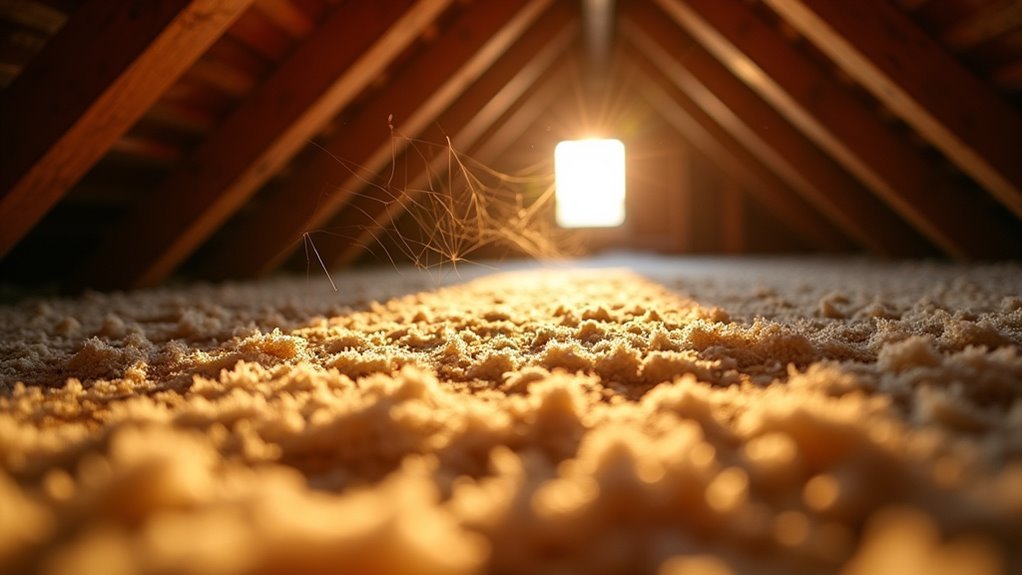
Your attic’s traditional insulation becomes a breeding ground for rodents, cockroaches, and termites that’ll shred materials, reduce R-values, and spike your energy costs. These pests create tunneling highways through insulation, causing air leaks and moisture problems while contaminating your home with droppings and potential mold growth. Borate-treated cellulose insulation kills insects on contact and deters future infestations, protecting your investment while maintaining energy efficiency. Understanding proper rodent-proofing techniques and long-term benefits will transform your attic into an impenetrable fortress.
The Hidden Dangers Lurking in Traditional Attic Insulation
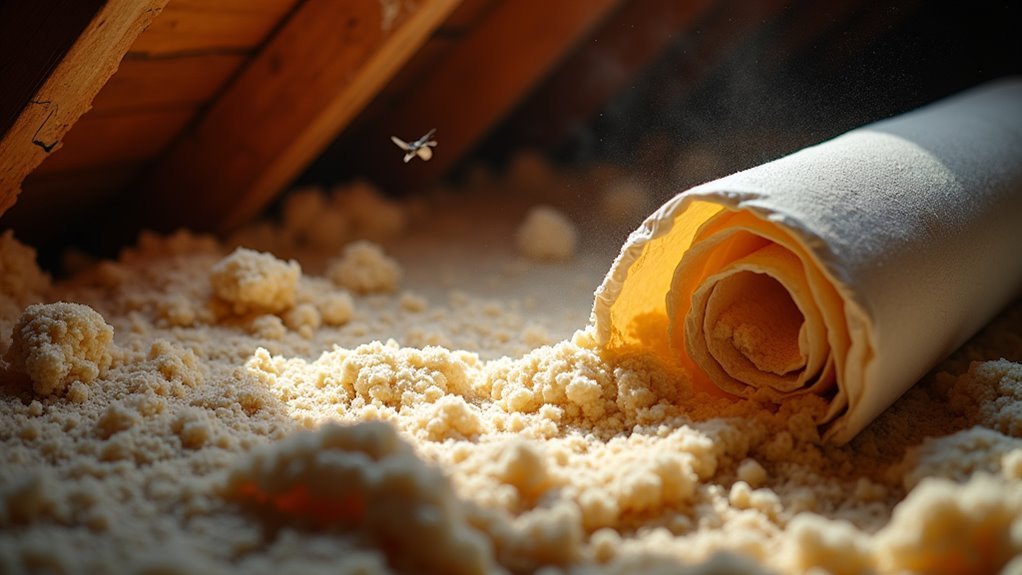
While traditional attic insulation like fiberglass and cellulose effectively regulates your home’s temperature, it offers zero protection against unwanted invaders.
Rodents can easily shred your insulation to create cozy nests, compromising its R-value and driving up energy costs. Cockroaches and termites tunnel through these materials, creating pathways that expose your home to air leaks and moisture problems.
Pests destroy insulation effectiveness while creating dangerous air leaks that compromise your home’s energy efficiency and structural integrity.
The presence of pests in your attic insulation creates serious health risks through contamination from droppings and potential mold growth.
You’re also facing costly repairs when infestations cause extensive damage to both the insulation and your home’s structure.
What starts as a minor pest problem can quickly escalate into thousands of dollars in repairs and health hazards for your family.
How Pests Transform Your Insulation Into Their Perfect Home
When pests discover your attic insulation, they’ve found the equivalent of a luxury resort. Your traditional insulation products offer everything these unwanted guests need to thrive and multiply.
Here’s how pests damage your insulation while making themselves at home:
- Nesting material – Rodents tear apart soft insulation fibers to create cozy nests for their families.
- Tunneling highways – Cockroaches and termites carve pathways through insulation, destroying its air-sealing capabilities.
- Food storage – Pests accumulate food particles within insulation, creating a convenient pantry system.
- Waste disposal – They leave behind droppings and urine, turning your insulation into a health hazard.
Meanwhile, the gaps they create allow moisture infiltration, promoting mold growth that further compromises your home’s efficiency and safety.
Borate-Treated Cellulose: Your First Line of Defense Against Infestations
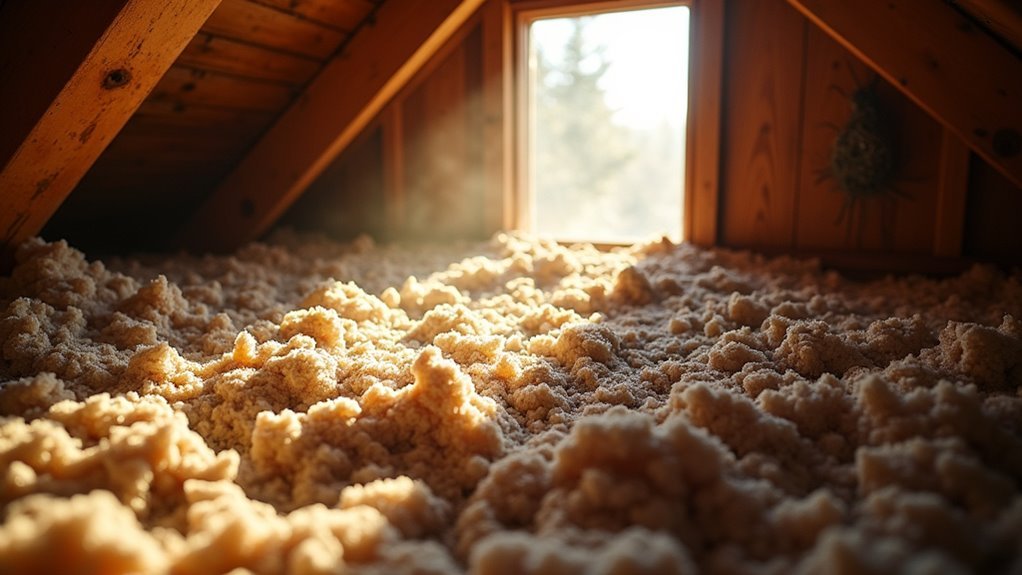
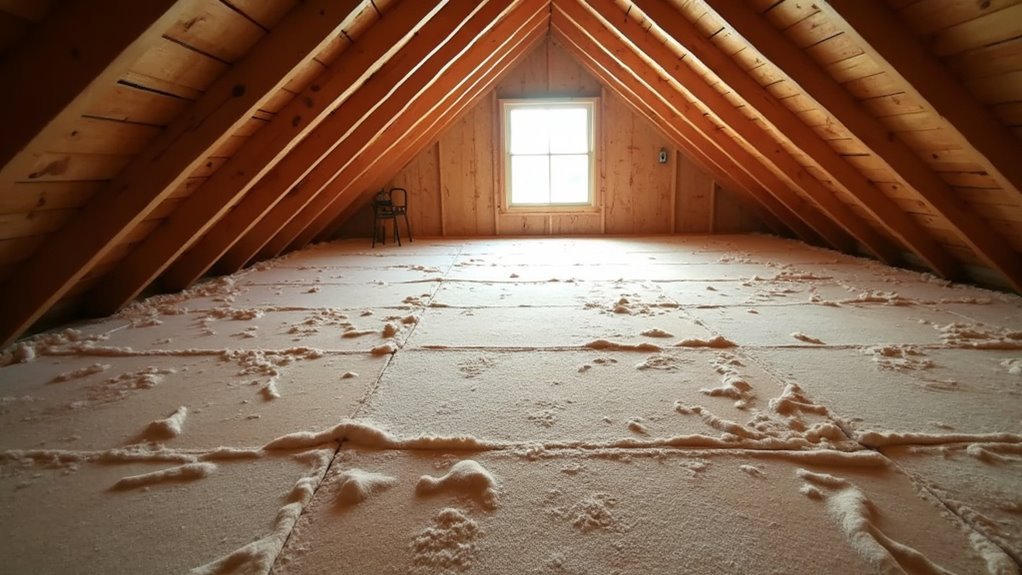
Fortunately, you can stop pests from turning your attic into their personal playground by choosing borate-treated cellulose insulation. Made from recycled paper and infused with boric acid, this natural mineral kills insects on contact while deterring roaches, ants, and termites throughout the insulation’s lifespan.
| Traditional Insulation | Borate-Treated Cellulose |
|---|---|
| Pest highway | Pest barrier |
| Costly repairs | Long-term protection |
| Health risks | Enhanced safety |
| Fire vulnerability | Fire retardant |
| Environmental concern | Eco-friendly solution |
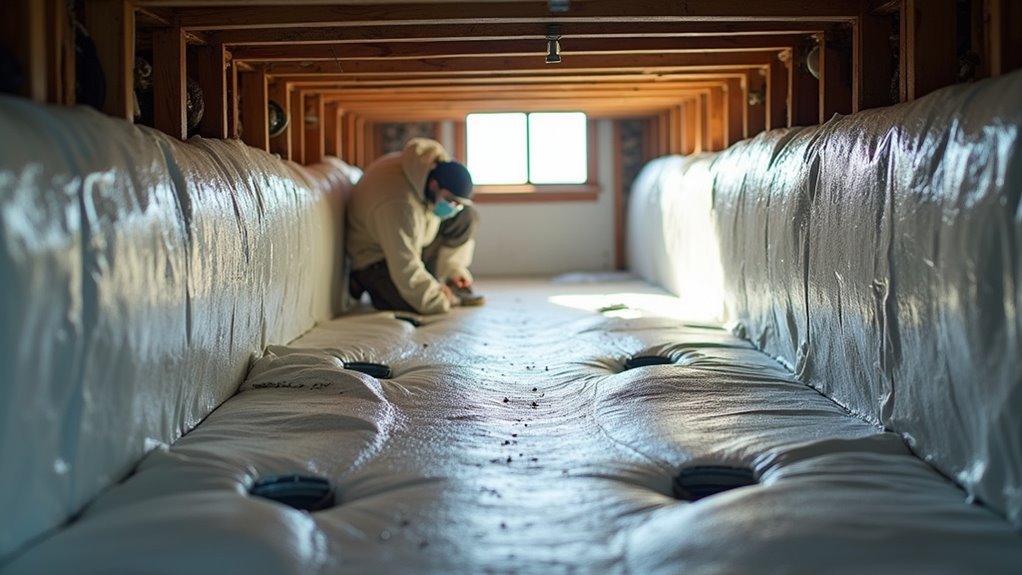
You’ll appreciate that borate-treated cellulose insulation provides excellent thermal performance while maintaining health and safety standards for your family and pets. This environmentally friendly option prevents pest infestations without requiring replenishment, making it your most effective defense against unwanted attic invaders.
Essential Steps to Rodent-Proof Your Attic Before Installation
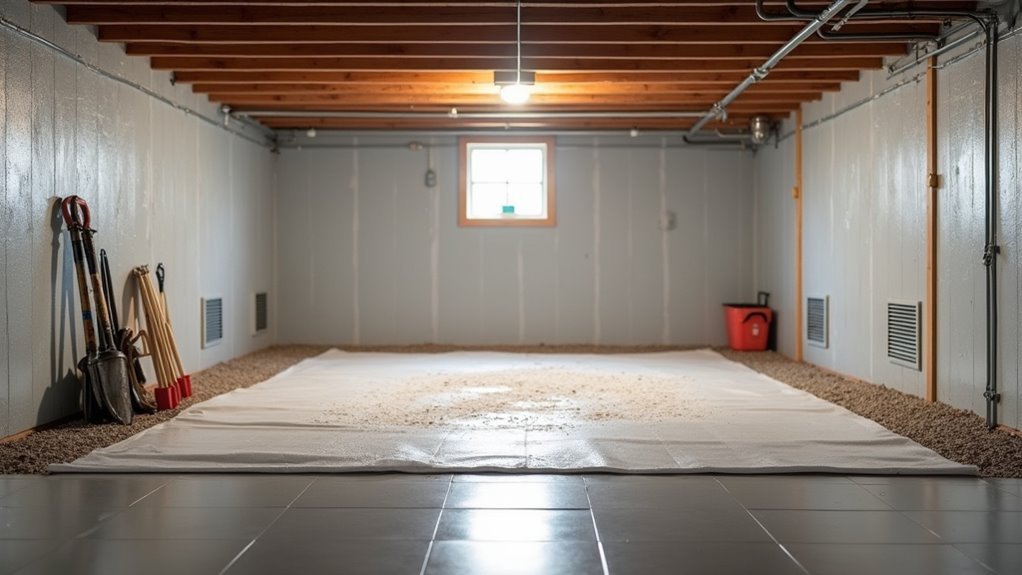
Before you install borate-treated cellulose insulation, you’ll need to transform your attic into an impenetrable fortress against rodents.
Effective pest control requires systematic preparation to prevent future rodent infestation.
Strategic pest prevention through methodical preparation is the cornerstone of successful rodent exclusion before any insulation project begins.
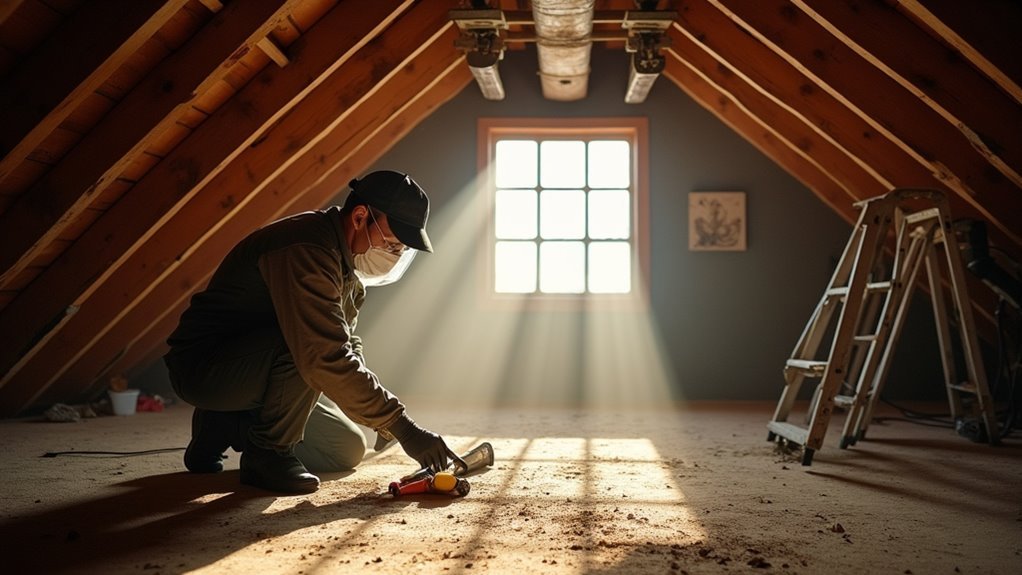
Take these vital steps before insulation installation:
- Seal all entry points – Close cracks and holes larger than 1/4 inch using wire mesh and fast-drying concrete
- Remove attractants – Cover garbage cans, seal pet food, and eliminate nesting materials like newspapers
- Inspect utility areas – Check around pipes, vents, and electrical lines where rodents commonly enter
- Consider professional services – Hire experts for thorough rodent-proofing to guarantee long-term protection
Regular inspection of potential access points is essential, as rodents constantly seek new shelter opportunities.
Proper preparation maximizes your insulation’s effectiveness and longevity.
Long-Term Benefits of Investing in Pest-Resistant Insulation Solutions
After completing your rodent-proofing preparations, you’ll discover that pest-resistant insulation delivers substantial financial returns that extend far beyond the initial installation cost.
You’ll save money by eliminating frequent replacements caused by pest damage, while borate-treated cellulose actively deters rodents, cockroaches, and termites for years.
Your energy efficiency remains consistently high because pests can’t create gaps that increase heating and cooling costs.
You’ll also enjoy improved indoor air quality since pest-resistant insulation prevents infestations that introduce allergens, mold, and waste products into your home’s air supply.
Most importantly, you’ll avoid costly structural repairs and contamination cleanup that pest damage typically requires.
This investment protects your home’s integrity while maintaining ideal insulation performance throughout its extended lifespan.
Frequently Asked Questions
What Happens if Your Attic Is Not Insulated?
You’ll face higher energy bills, temperature fluctuations, moisture problems, mold growth, structural damage, pest infestations, reduced heating and cooling efficiency, and air leaks that compromise your home’s comfort.
What Is the Best Attic Insulation for Pest Control?
You’ll find borate-treated cellulose insulation works best for pest control since it deters cockroaches, ants, and termites throughout its lifespan. Spray foam insulation also creates airtight seals that block entry points effectively.
How Much Does Pest Control Attic Insulation Cost?
You’ll pay $1.50 to $3.50 per square foot for pest control attic insulation, with professional installation adding $0.50 to $2.00 more. Expect total costs between $1,500 and $3,500 for average-sized attics.
What Is Rodent Proof Insulation for Attic?
Rodent-proof insulation’s specially treated with pest-resistant chemicals like boric acid to prevent rodents from nesting, chewing, or damaging your attic insulation, maintaining its R-value and protecting your home’s energy efficiency.
In Summary
You’ve learned how pests can wreak havoc on traditional insulation and turn your attic into their breeding ground. Don’t let rodents and insects compromise your home’s efficiency and safety. Take action now by choosing borate-treated cellulose insulation and implementing proper rodent-proofing measures. You’ll protect your investment, maintain energy efficiency, and enjoy peace of mind knowing your attic won’t become a pest paradise. Your home deserves this essential upgrade.

Leave a Reply